
Anúncios
Unforgettable Drama Moments That Shocked Viewers

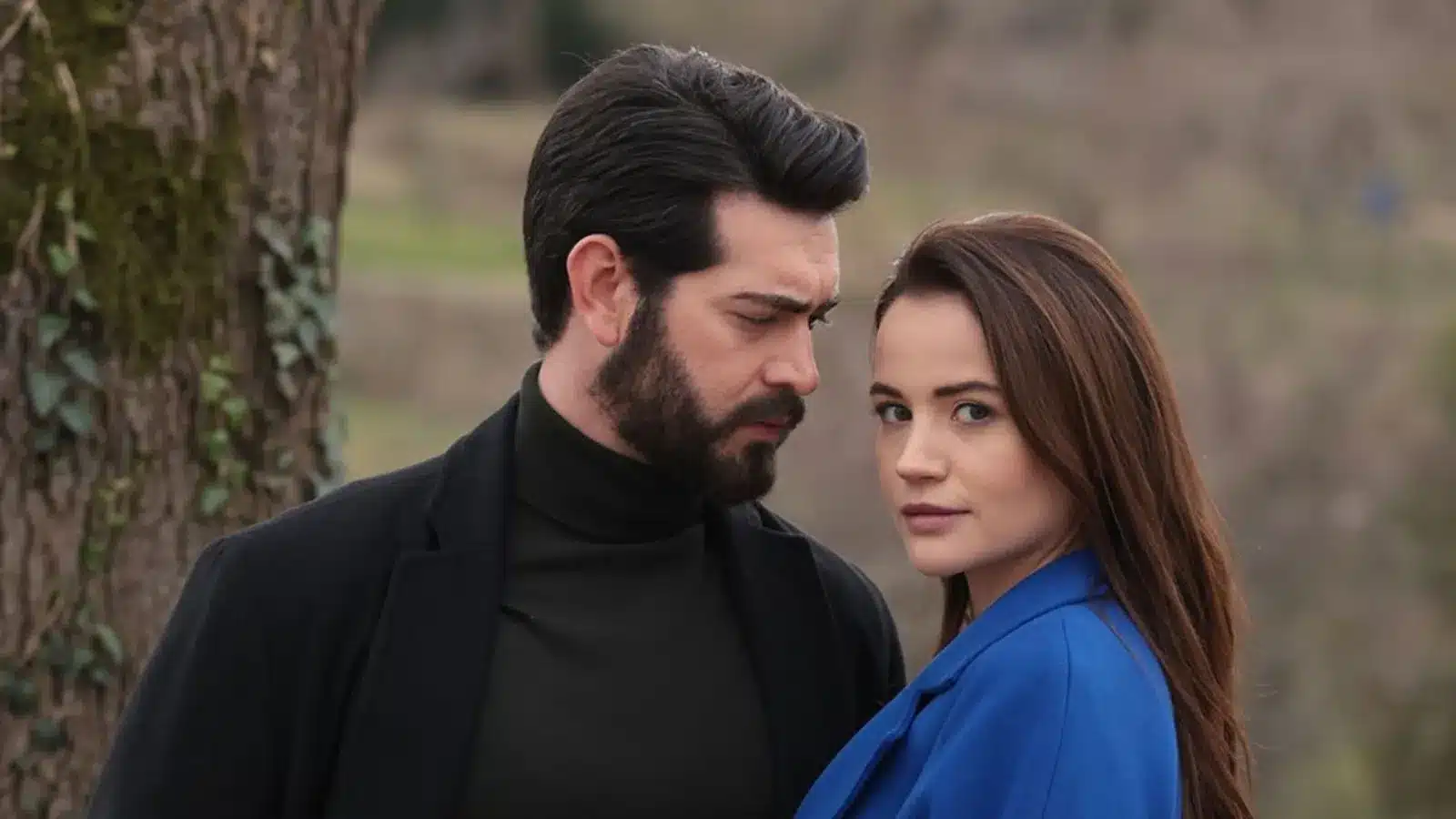


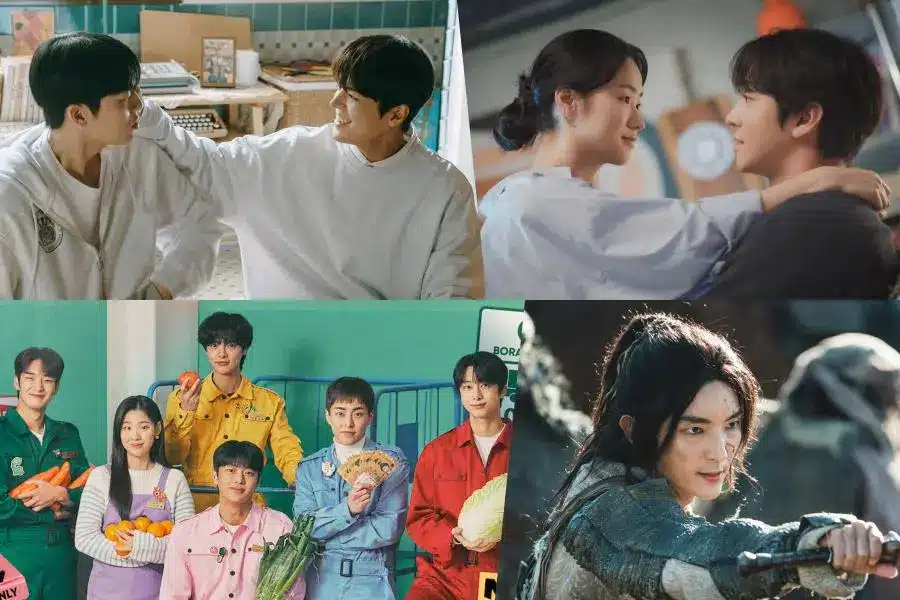

There’s nothing quite like the feeling of watching a drama unfold, only to have everything you thought you knew flipped completely on its head. The best plot twists don’t just surprise us—they fundamentally change how we understand the entire story. They make us gasp, rewind, and immediately text our friends in all caps. 🎭
From hidden identities to devastating betrayals, these ten drama plot twists represent some of the most jaw-dropping moments in television history. Each one left audiences completely speechless, sparking countless discussions and theories that continue to this day. Let’s dive into the shocking revelations that changed everything.

Watch Now
The Double Life That Nobody Saw Coming
In one of the most meticulously crafted reveals in drama history, a seemingly ordinary protagonist was exposed as living an entirely fabricated existence. For dozens of episodes, viewers followed what appeared to be a straightforward narrative about personal growth and relationships. The character had built genuine connections, faced relatable challenges, and earned our complete trust.
Then came the twist: every single detail of their background was a lie. Their name, their family, their profession—all carefully constructed fiction. What made this revelation truly spectacular wasn’t just the deception itself, but the masterful way the writers had planted subtle clues throughout the series that only made sense in retrospect. Fans spent weeks rewatching earlier episodes, discovering hidden meanings in seemingly innocent conversations. 🔍
The emotional impact was devastating because we had invested so deeply in someone who never truly existed. Supporting characters who had loved and trusted this person faced the same betrayal as the audience, creating a powerful meta-narrative about identity and authenticity.
When The Villain Became The Hero’s True Parent
Few plot devices are as classic as the parent reveal, but this particular drama elevated the trope to devastating new heights. The antagonist—a character responsible for years of suffering and countless tragedies—was revealed to be the biological parent of the protagonist who had been fighting against them.
What distinguished this twist from typical “I am your father” moments was the complex ethical territory it explored. The villain wasn’t simply evil; they had understandable motivations rooted in past trauma. The hero wasn’t purely good; they had made morally questionable choices in their quest for justice. This revelation forced both characters and viewers to reconsider everything they thought they knew about justice, revenge, and family bonds.
The Ripple Effect on Character Relationships
This twist didn’t just affect the two main characters. Every relationship in the drama had to be reevaluated through this new lens. Allies questioned their loyalties, romances faced impossible obstacles, and friendships were tested in ways that felt genuinely heartbreaking. The writers used this revelation to explore how our origins shape us versus how our choices define us—a philosophical debate that resonated deeply with audiences worldwide.
The Time Loop Nobody Expected
Time-travel narratives are common in dramas, but this particular series managed to hide its temporal manipulation so effectively that the reveal left fans absolutely stunned. For the entire first season, the show appeared to be a straightforward present-day drama with occasional flashbacks to provide character backstory.
The twist? Those weren’t flashbacks at all. The protagonist was actually living the same timeline multiple times, making different choices each iteration while retaining fragmented memories of previous loops. Scenes that viewers had dismissed as simple backstory were actually previous attempts to change fate. 🔄
The brilliance of this twist lay in how it recontextualized every single episode. Viewers realized that character inconsistencies they had chalked up to writing quirks were actually intentional hints about the loop. Small details—a repeated phrase, an unexplained sense of déjà vu, knowledge the character shouldn’t possess—suddenly made perfect sense.
The Dead Character Who Was Alive All Along
Death fakeouts can feel cheap when poorly executed, but this drama pulled off the impossible: making a resurrection feel earned, shocking, and emotionally devastating all at once. A beloved character had died in the series premiere, setting the entire plot in motion. Their death motivated the protagonist, shaped every character’s development, and served as the emotional foundation for three full seasons.
Then they walked back into the story, very much alive.
What made this work was the explanation. This wasn’t a lazy retcon or dream sequence—the character had faked their death for reasons that were both sympathetic and morally complex. Their absence had been necessary, their silence had served a purpose, and their return created more problems than it solved. Relationships that had formed in their absence couldn’t simply revert. The protagonist who had built an entire identity around avenging them now faced an identity crisis. Trust was shattered in ways that couldn’t be easily repaired. 💔
The Romantic Lead Who Was The Killer
Romance and mystery combined in the most unexpected way when a drama revealed that the charming love interest—the character fans had been rooting for, shipping obsessively, and celebrating as the perfect partner—was actually responsible for the central crime the series revolved around.
This wasn’t a last-minute decision; rewatching the series revealed countless carefully placed clues. Convenient alibis that were never quite explained. Oddly specific knowledge about crime scenes. Reactions that seemed slightly off but could be explained away as quirky personality traits. The writers had built an entire romance on a foundation of deception, making viewers complicit in overlooking red flags because we wanted the relationship to work.
The Ethical Storytelling Debate
This twist sparked intense discussions about storytelling ethics. Some viewers felt betrayed, arguing that making a romantic lead into a villain violated an implicit contract with the audience. Others praised the bold choice, appreciating how it challenged romantic drama conventions and forced viewers to examine their own biases about who deserves redemption.
When The Entire Setting Was A Simulation
Reality itself became questionable when a historical drama revealed that its meticulously detailed period setting was actually an elaborate simulation. Characters who believed they were living in the past were actually participants in a futuristic program, their memories altered, their entire world constructed.
The genius of this twist was how it was foreshadowed through anachronisms so subtle that viewers assumed they were production errors. A fabric pattern that wouldn’t exist for another decade. A phrase that seemed slightly modern. Food combinations that didn’t match the historical period. Fans who had been nitpicking historical inaccuracies online suddenly realized those “mistakes” were intentional clues. 🎬
This revelation transformed the drama from a period piece into a science fiction exploration of consciousness, free will, and the nature of reality itself.
The Protagonist’s Memory Was Completely False
Unreliable narrators are a common literary device, but this drama took the concept to unprecedented levels. The entire series had been told from the protagonist’s perspective—we saw what they saw, believed what they believed, and trusted their version of events completely.
Then came the devastating reveal: nearly every memory the protagonist had was either fabricated or significantly altered. The childhood trauma that motivated their every action? Never happened the way they remembered. The supportive parent they mourned? Actually an abuser they had mentally reimagined to cope with the truth. The betrayal that started their quest for revenge? A complete misunderstanding of events they had witnessed through the distorted lens of trauma.
What made this twist particularly powerful was how it addressed mental health, trauma, and the unreliability of memory with surprising sensitivity. The protagonist wasn’t simply “crazy”—they were someone whose mind had created protective narratives to survive unbearable pain.
The Comic Relief Character’s Secret Tragic Backstory
For twenty episodes, one character had served primarily as comic relief—light-hearted, funny, always ready with a joke to break tension. They seemed to exist solely to provide levity in an otherwise dark drama. Then one episode completely deconstructed this persona, revealing that the comedy was a carefully maintained mask hiding devastating trauma. ✨
The character’s constant humor was a coping mechanism for unspeakable loss. Their seeming superficiality was actually deep emotional intelligence used to manage others’ emotions because they couldn’t bear additional suffering. Every joke took on new meaning; every silly moment became heartbreaking in retrospect.
This twist worked because it didn’t erase the character’s humor—it recontextualized it, adding depth without destroying what fans loved. It challenged the assumption that funny characters are less complex than serious ones.
When Two Timelines Collided Into One Story
This drama had presented what appeared to be two separate storylines—one following a character in the present, another following a seemingly unrelated character decades in the past. Fans assumed they would eventually connect thematically or through family relationships.
The actual twist? They were the same person, and the “past” timeline was actually happening simultaneously in a parallel dimension. The moment when these storylines collided and the character came face-to-face with their alternate self created one of the most visually and emotionally stunning sequences in drama history. 🌟
This revelation reframed every episode as viewers realized they had been watching one person’s divergent life paths based on a single different choice. It became a meditation on fate, choice, and the infinite possibilities within each of us.
The Trusted Mentor’s Ultimate Betrayal
Mentor betrayals are common in drama, but this one stood out for its sheer scope and planning. A character who had guided, protected, and taught the protagonist for the entire series was revealed to have orchestrated every single tragedy in their life—not as collateral damage in some larger scheme, but specifically to shape the protagonist into a weapon for their own purposes.
Every lesson had been manipulation. Every rescue had been calculated. The mentor had even arranged the death of the protagonist’s family, saved them from the resulting trauma, and positioned themselves as the only person the protagonist could trust. The layers of psychological abuse were staggering, and the revelation forced viewers to reconsider every “heartwarming” mentor-student moment as something deeply sinister.
What elevated this beyond typical betrayal was the mentor’s motivation: they genuinely believed they were creating something better, that their actions were justified by the result. This moral complexity made them simultaneously more understandable and more terrifying.
Why These Twists Continue To Resonate
The most memorable plot twists share common characteristics that elevate them beyond simple shock value. They’re meticulously foreshadowed, providing eagle-eyed viewers with clues while maintaining plausible deniability. They fundamentally change our understanding of the story without invalidating what came before. Most importantly, they reveal deeper truths about characters and themes rather than existing merely to surprise.
These ten twists accomplished something rare: they created cultural moments where audiences collectively experienced shock, disbelief, and the irresistible urge to discuss what they’d just witnessed. They generated countless reaction videos, analysis threads, and rewatching sessions as fans searched for clues they’d missed. 📺

The Lasting Impact on Drama Storytelling
These plot twists have influenced how modern dramas approach narrative structure and audience expectations. Writers have become more ambitious, understanding that sophisticated viewers appreciate layered storytelling with hidden depths. Production teams now consciously plant visual and dialogue clues knowing that fans will scrutinize every frame.
The relationship between creators and audiences has evolved into a complex dance where viewers expect to be surprised but also want to feel like they could have figured it out. The best twists honor this relationship, rewarding careful attention while still managing to shock.
These ten moments represent the gold standard of plot twists—reveals that didn’t just surprise viewers but fundamentally enhanced the stories they were part of. They prove that with careful planning, bold choices, and respect for your audience’s intelligence, it’s possible to create truly unforgettable dramatic moments that continue to be discussed and analyzed years after they first aired.
Whether through hidden identities, temporal manipulation, or devastating betrayals, these twists remind us why we watch dramas in the first place: for those rare moments when a story can genuinely surprise us, challenge our assumptions, and leave us completely, wonderfully speechless. 🎭✨
