
Anúncios
Discover the Most Addictive Dramas You Can’t Stop Watching

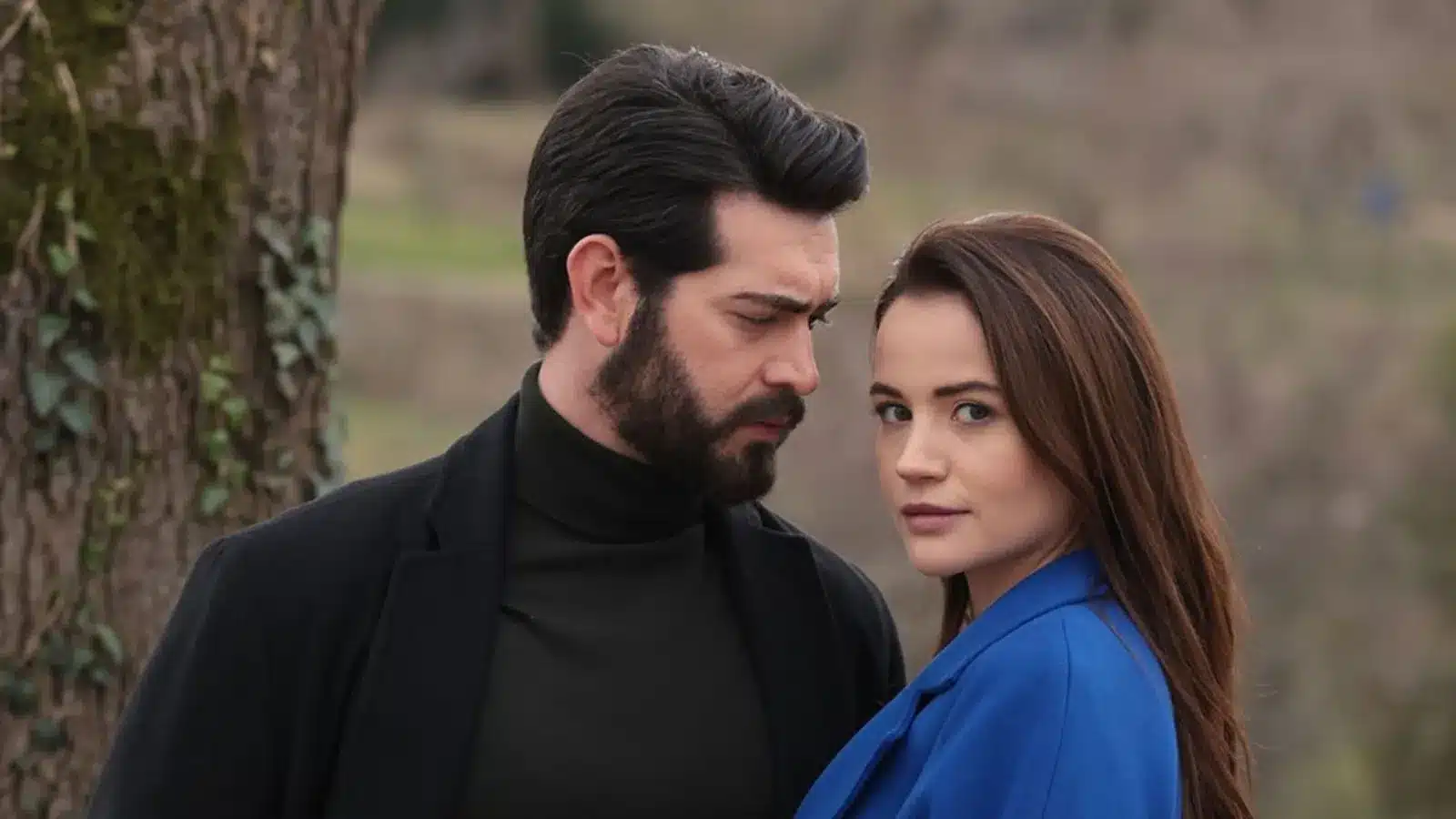




There’s something uniquely captivating about a drama series that grabs you from the first episode and refuses to let go. You know the feeling – it’s 3 AM, you have work in the morning, but you’re absolutely convinced you need to watch just one more episode. Before you know it, the sun is rising, and you’ve binged an entire season without a single regret.
These seven dramas are so dangerously addictive that they should honestly come with a warning label. They’ll consume your weekends, invade your thoughts during work meetings, and have you desperately searching for someone who’s watched them just so you can discuss every plot twist. Consider yourself warned – once you start, there’s no turning back. ⚠️

Start Watching Now
Breaking Bad: The Chemistry of Addiction 🧪
If ever there was a drama that deserved a literal addiction warning, it’s Breaking Bad. This masterpiece follows Walter White, a high school chemistry teacher turned methamphetamine manufacturer, on a descent so gradual and mesmerizing that you barely notice how deeply invested you’ve become until it’s far too late.
What makes Breaking Bad impossibly addictive is its perfect pacing. Each episode ends with a revelation or cliffhanger that makes the “Next Episode” button physically impossible to resist. The show’s creators understood the dark art of the binge-watch before it became mainstream, crafting a narrative so tightly wound that every scene serves a purpose.
Why You Can’t Stop Watching
The transformation of Walter White from sympathetic family man to ruthless drug lord happens so incrementally that you’re constantly trying to pinpoint the exact moment he “broke bad.” This psychological complexity keeps viewers analyzing every decision, every moral compromise, desperately trying to understand how someone could change so completely.
The supporting characters are equally compelling. Jesse Pinkman’s emotional journey, Skyler’s impossible position, and Hank’s cat-and-mouse investigation create multiple storylines that interweave brilliantly. You’re not just following one narrative – you’re invested in an entire universe of morally grey characters making increasingly consequential decisions.
The Glory: Revenge Served Ice Cold ❄️
This Korean drama took the world by storm with its unflinching portrayal of school violence and the long-term psychological scars it creates. The Glory follows Moon Dong-eun, a woman who has spent years meticulously planning revenge against her former high school bullies who tortured her so severely she dropped out of school.
What makes The Glory terrifyingly addictive is the satisfaction of watching a perfectly executed revenge plan unfold. Dong-eun doesn’t just want to hurt her tormentors – she wants to systematically dismantle their lives with the same methodical cruelty they once showed her. Every episode reveals another layer of her intricate scheme, and viewers become complicit in her quest for justice.
The Psychological Hook
The drama taps into something primal: our desire to see justice served, especially for those who’ve been powerless. The flashbacks to Dong-eun’s abuse are difficult to watch but necessary to understand the depth of her trauma and the justification for her actions. This creates an emotional investment that goes beyond typical entertainment – you’re not just watching a character; you’re rooting for her healing through revenge.
The show also brilliantly portrays how privilege protects abusers. Dong-eun’s bullies grew up to live seemingly perfect lives – successful careers, beautiful families, social status – while she worked menial jobs and lived in survival mode. This injustice fuels viewer satisfaction as each carefully placed domino begins to fall.
Succession: Wealthy Dysfunction at Its Finest 💼
Succession proves that you don’t need to relate to characters to become obsessively invested in them. The Roy family is objectively terrible – narcissistic, cruel, manipulative billionaires fighting over control of their global media empire. Yet somehow, this HBO drama became one of the most addictive shows of recent years.
The genius of Succession lies in its sharp writing and the constant power shifts within the family. Just when you think one sibling has gained the upper hand, another makes a move that changes everything. The show operates like high-stakes chess played by people with unlimited resources and zero emotional intelligence.
The Addictive Quality of Schadenfreude
There’s something deeply satisfying about watching wealthy people be miserable. Despite having everything money can buy, the Roy family is profoundly unhappy, constantly seeking their father’s approval and willing to destroy each other for a modicum of power. This schadenfreude keeps viewers coming back, finding dark humor in their dysfunction.
The dialogue is so quotable and biting that scenes replay in your mind long after watching. Every interaction is layered with subtext, corporate jargon weaponized into insults, and family dysfunction masked as business strategy. You need to pay attention to catch every subtle dig and shifting alliance, which makes the viewing experience actively engaging rather than passive.
Squid Game: High Stakes, Higher Body Count 🔺
Squid Game became a global phenomenon almost overnight, and for good reason. This Korean survival drama takes childhood games and transforms them into deadly competitions where desperate people fight for a massive cash prize – with their lives as the wager. The concept is simple, but the execution is brilliantly addictive.
What hooks viewers immediately is the moral complexity of the premise. These aren’t evil people participating in death games – they’re ordinary individuals crushed by debt, failed by society, and seeing no other way out. This relatability (at least in terms of financial desperation) makes their impossible choices resonate emotionally.
The Psychology of Competition
Squid Game taps into our fascination with competition and survival. Even though the games are horrifically violent, there’s a compulsive need to see who will win, who will form alliances, and who will betray whom. The show creates genuine investment in characters you know are likely to die, making each loss feel impactful.
The visual aesthetic – the bright colors, the eerily cheerful game environments juxtaposed with brutal violence – creates a surreal viewing experience that’s hard to look away from. The masked guards, the geometric sets, and the symbolic imagery give the show an artistic quality that elevates it beyond simple survival horror.
Euphoria: Beautiful Chaos and Teen Angst ✨
Euphoria is not an easy watch, but it’s an impossible-to-stop watch. This HBO drama follows a group of high school students navigating love, identity, trauma, and addiction with a visual style so stunning it feels like watching a fever dream. Every frame is meticulously crafted, with lighting and cinematography that could hang in art galleries.
What makes Euphoria addictive despite its often disturbing content is the raw honesty with which it portrays teenage life. It doesn’t sanitize drug use, mental illness, or sexual exploration – it shows the messy, dangerous reality alongside the euphoric highs that make risky behavior so tempting to young people seeking escape or connection.
Character Investment Through Backstory
Each character gets rich backstory episodes that explain how they became who they are. These deep dives create profound empathy even for characters making destructive choices. You understand why Rue struggles with addiction, why Cassie desperately seeks male validation, why Nate’s aggression masks deep psychological damage. This understanding creates investment that transcends judgment.
The show also perfectly captures the heightened emotional state of adolescence – when everything feels life-or-death, when relationships have cosmic significance, when identity feels both urgent and fluid. For viewers who remember that intensity, Euphoria resonates on a visceral level. For those currently living it, the show validates experiences often dismissed by adults.
Ozark: Family Crime Drama Done Right 💰
Ozark takes the “normal person forced into criminal world” premise and executes it with suffocating tension that never lets up. Financial advisor Marty Byrde must relocate his family to the Ozarks and launder massive amounts of money for a Mexican drug cartel or face death. What follows is four seasons of escalating stakes, moral compromises, and family dysfunction.
The addictive quality of Ozark comes from its relentless pacing. There’s no safe moment, no episode where characters catch their breath. Every solution creates new problems, every alliance is potentially deadly, and every family member becomes increasingly corrupted by their circumstances. The show maintains a level of anxiety that’s somehow both stressful and compelling.
The Transformation Arc
Like Breaking Bad before it, Ozark excels at showing gradual character transformation. Wendy Byrde’s evolution from reluctant participant to power-hungry strategist is particularly fascinating. She goes from wanting to escape the criminal life to orchestrating political manipulation and ordering hits. This transformation happens so gradually that each step seems justified in the moment, even as viewers recognize she’s becoming something unrecognizable.
The setting itself becomes a character. The murky waters of the Lake of the Ozarks, the seedy local establishments, and the contrast between vacation-destination beauty and criminal darkness create a unique atmosphere. The show’s blue-tinted color grading reinforces the cold, suffocating feeling of being trapped in impossible circumstances.
The Last of Us: Post-Apocalyptic Perfection 🍄
Based on the acclaimed video game, The Last of Us became an instant obsession for both gamers and newcomers alike. Set in a post-apocalyptic world ravaged by a fungal infection that turns humans into monsters, the show follows Joel, a hardened survivor, as he escorts Ellie, a teenager who might be humanity’s cure, across a devastated America.
What elevates The Last of Us beyond typical zombie fare is its focus on human relationships and emotional truth. The fungal zombies are terrifying, yes, but the real threats are other desperate survivors. The show asks difficult questions about what we’re willing to do to survive, what we owe to humanity versus those we love, and whether redemption is possible after unforgivable acts.
Episode Three: A Masterclass in Storytelling
The third episode, which tells a complete love story within the apocalypse, became an instant classic. It demonstrates the show’s willingness to slow down and invest in character development rather than relentless action. This emotional depth makes viewers care deeply about every character’s fate, not just the protagonists.
The production value is cinematic, with makeup effects so realistic the infected are genuinely nightmare-inducing. The fungal tendrils, the clicking sounds, and the way infection spreads create body horror that stays with you. Yet the show balances this horror with moments of beauty, humor, and hope – the small human connections that make survival worthwhile.
The Warning Label These Dramas Deserve ⚠️
These seven dramas share common characteristics that make them dangerously addictive. They feature complex characters making morally ambiguous choices, they maintain narrative tension that makes stopping feel impossible, and they respect viewers’ intelligence by trusting us with complicated stories that don’t offer easy answers.
The best dramas don’t just entertain – they provoke thought, spark conversation, and linger in your mind long after the credits roll. They make you examine your own values, question what you’d do in impossible situations, and recognize aspects of humanity both beautiful and terrifying.
The Cost of Great Storytelling
There’s a real cost to this level of narrative excellence. Productivity suffers when you’re staying up until 4 AM to finish a season. Social obligations get postponed because you absolutely cannot stop mid-episode. Normal life feels mundane compared to the heightened drama unfolding on screen.
But perhaps that’s exactly what great art should do – transport us so completely that we forget ourselves, make us feel emotions deeply, and connect us with stories that reveal universal human truths. These dramas are addictive because they’re exceptional, and while they might disrupt your sleep schedule, they also provide experiences that stay with you forever.

Finding Your Next Obsession 🎭
If you haven’t watched these dramas yet, choose wisely when you start. Make sure you don’t have early morning commitments, because the “just one more episode” phenomenon is very real. Clear your weekend, stock up on snacks, and prepare to be consumed by stories so well-crafted that they’ll ruin you for mediocre television forever.
The beauty of peak television in the streaming era is that there’s always something incredible to discover. These seven dramas represent different genres, styles, and storytelling approaches, but they all share that indefinable quality that transforms passive viewing into active obsession. They demand your attention and reward it with unforgettable narratives.
So consider this your warning: start any of these dramas and you’re signing up for sleepless nights, emotional investment in fictional characters, and the desperate need to discuss every plot twist with anyone who will listen. You’ll emerge from the binge exhausted, emotionally drained, and already looking for the next series that might capture you the same way.
That’s the mark of truly great drama – it doesn’t just entertain you; it possesses you. And honestly? That addiction is completely worth it. 📺✨
