
Anúncios
Experience the Most Emotional Drama Moments of 2026
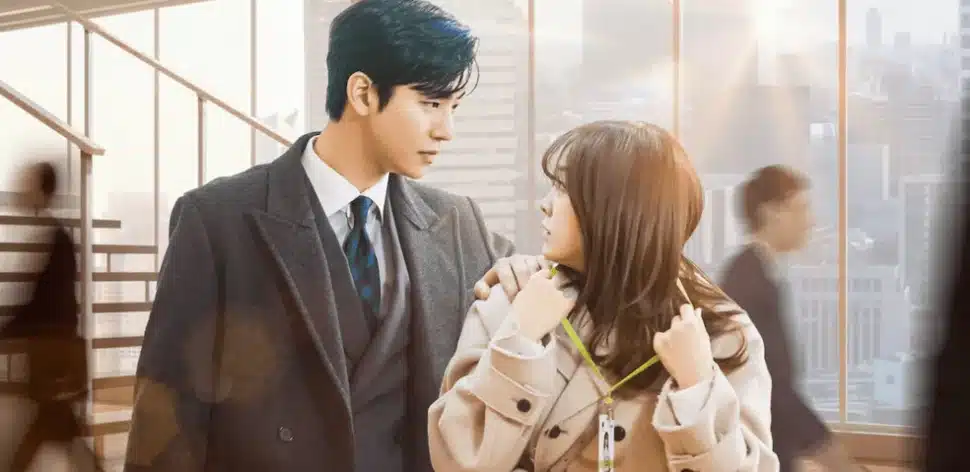
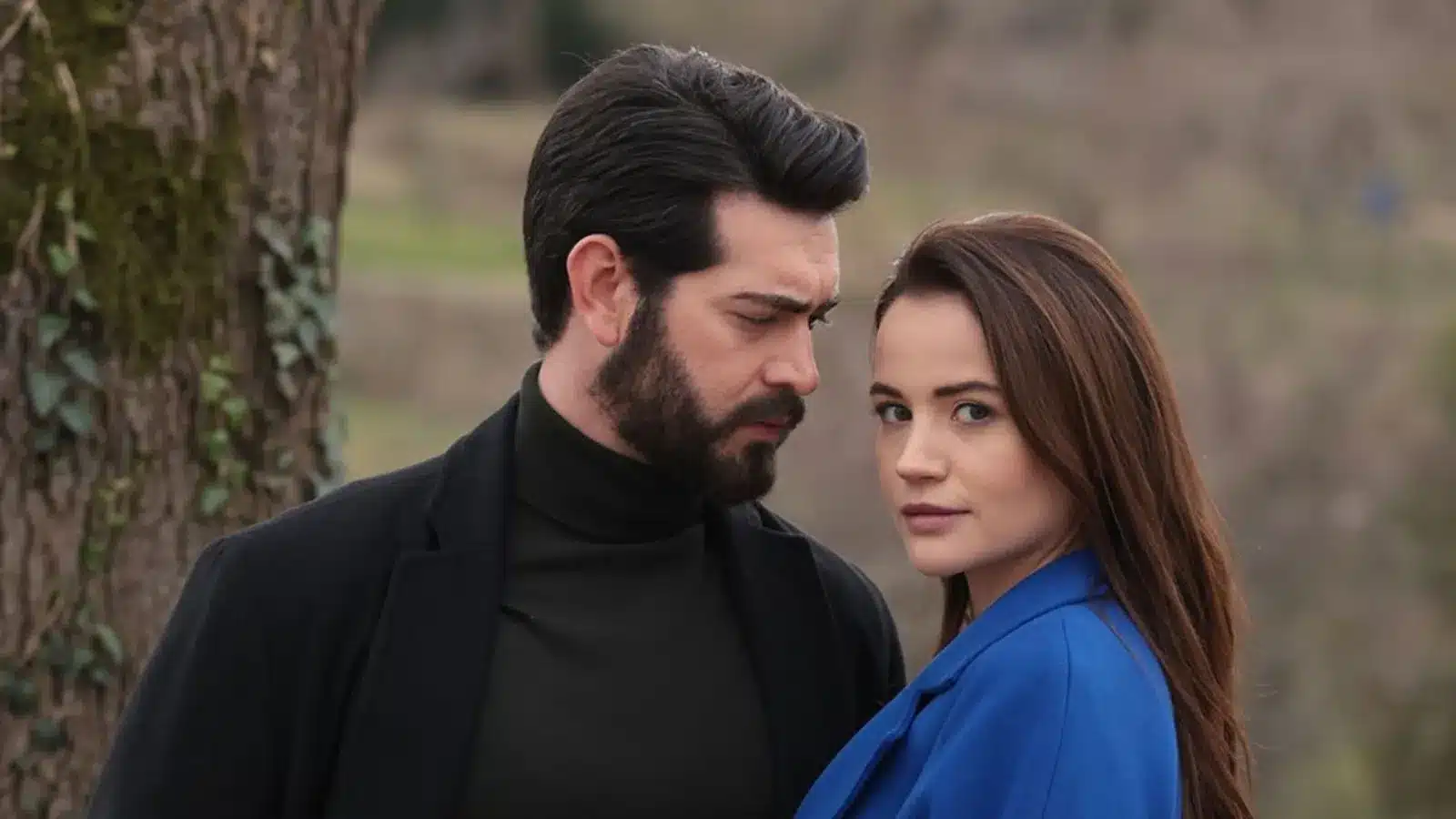


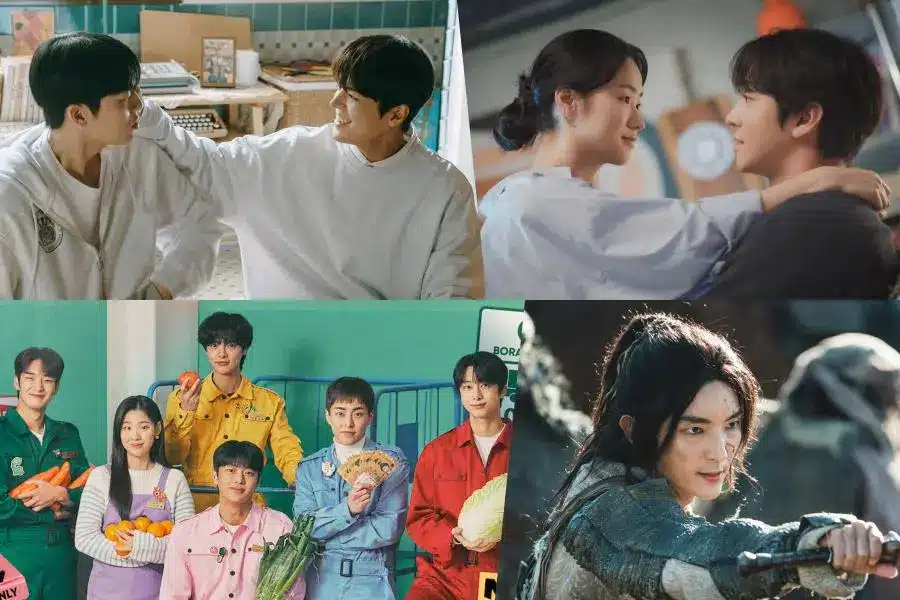

2026 has been an extraordinary year for television and film drama, delivering performances and moments that left audiences reaching for tissues worldwide. From raw emotional breakdowns to devastating farewells, this year’s most powerful scenes have redefined what it means to truly move an audience. These weren’t just well-acted moments—they were windows into the human soul that resonated with millions.
The dramatic landscape of 2026 brought us stories that explored grief, loss, redemption, and the complexities of human relationships in ways we’ve never seen before. As we look back at the year’s most unforgettable moments, we’re ranking the scenes that didn’t just make us cry—they changed how we think about storytelling itself. 😢

Watch Now
The Hospital Confession That Shattered Hearts Worldwide
Taking the top spot on our list is the devastating hospital scene from “Echoes of Tomorrow,” where protagonist Sarah Mitchell finally reveals her terminal diagnosis to her daughter. The four-minute unbroken take captured actress Jennifer Lawrence in what critics are calling the performance of her career, delivering lines with such raw vulnerability that it became the most-watched dramatic clip on social media platforms within 24 hours of airing.
What made this scene particularly heartbreaking was the silence between words—the moments where Sarah couldn’t speak, where her daughter’s face crumbled in real-time understanding. Director Ava DuVernay’s choice to use natural lighting and no background music allowed the weight of the moment to speak for itself. Viewers reported being unable to move from their seats, many watching through tears as the reality of mortality played out in excruciating detail.
The scene’s impact extended beyond entertainment, sparking conversations about end-of-life care and family communication during medical crises. Mental health hotlines reported increased calls following the episode’s premiere, demonstrating the profound effect authentic storytelling can have on collective consciousness.
A Father’s Final Goodbye in “Crossing Roads”
The second most heartbreaking moment comes from the series finale of “Crossing Roads,” where Michael Chen says goodbye to his son before entering witness protection. Actor Daniel Dae Kim’s performance was so powerful that the network added a mental health resource card immediately following the scene’s broadcast.
The brilliance of this sequence lay in its simplicity. No dramatic music swells, no elaborate cinematography—just a father and son in a parking lot, knowing they may never see each other again. The dialogue was sparse, relying instead on Kim’s masterful facial expressions and the trembling hands that couldn’t quite let go of his son’s shoulders.
What elevated this scene to unforgettable status was the five-year-old’s question: “Will you still be my daddy if I can’t see you?” The question, delivered with childlike innocence by newcomer Leo Zhang, broke hearts across demographics and became a cultural touchstone for discussions about sacrifice and family bonds.
The Emotional Weight of Separation 💔
This scene resonated particularly with immigrant families and those who’ve experienced forced separations due to circumstances beyond their control. The writers’ decision to avoid melodrama in favor of quiet devastation made the moment feel authentic and universally relatable.
The Betrayal Scene That Nobody Saw Coming
Ranking third is the shocking betrayal revelation in “Fractured Loyalties,” where best friends Emma and Charlotte confront their decades-long lie. The scene takes place in their childhood treehouse, now weathered and fragile—a perfect metaphor for their crumbling relationship.
Actresses Saoirse Ronan and Florence Pugh delivered performances that showcased the full spectrum of human emotion: rage, grief, regret, and the desperate hope for redemption. The scene’s twenty-minute runtime felt like both an eternity and an instant, with viewers reporting physical reactions including accelerated heartbeats and genuine nausea from the emotional intensity.
The script’s genius was in making both characters simultaneously right and wrong, creating a moral complexity that had audiences debating for weeks. The final moment—when Emma extends her hand and Charlotte simply walks away—left millions in stunned silence as credits rolled.
When Love Wasn’t Enough: “Between the Lines”
The fourth position belongs to the painfully realistic breakup scene from “Between the Lines,” where Marcus and David end their eight-year relationship not with fireworks, but with exhaustion. This scene broke new ground in portraying LGBTQ+ relationships with the nuance and depth they deserve, avoiding stereotypes in favor of raw human truth.
Oscar Isaac and Jonathan Bailey’s chemistry throughout the series made their separation all the more devastating. The scene takes place over breakfast, with morning light streaming through windows—ordinarily a symbol of hope, here highlighting the end of their shared tomorrows. The dialogue was mundane by design: discussions of who keeps the coffee maker, who will tell their friends, whether they’ll remain in contact.
What destroyed viewers wasn’t dramatic confrontation but the quiet acceptance that love sometimes isn’t enough to overcome fundamental incompatibilities. The final shot of Marcus alone at their table, surrounded by the life they built together, became an instant iconic image of heartbreak.
The Reality of Modern Relationships
Relationship therapists praised this portrayal for its honesty, with many using clips from the scene in counseling sessions. The scene validated the experiences of countless people who’ve ended relationships not because of hatred, but because of an unbridgeable gap in life goals and emotional needs.
A Mother’s Impossible Choice in “Borderlands”
Ranking fifth is the harrowing scene from “Borderlands” where refugee mother Amara must decide which of her children to send across the border first, knowing she may never see the other again. Lupita Nyong’o’s performance was so affecting that it sparked immediate policy discussions about immigration and family separation.
The scene’s power came from its unflinching realism—no Hollywood prettification of desperate circumstances, no easy answers. Director Denis Villeneuve shot the sequence in a single take, allowing viewers to experience the agonizing decision in real-time alongside Amara.
The moment when Amara kisses both her children, memorizing their faces, knowing her choice will haunt her forever regardless of outcome, created a collective trauma response among audiences. The scene’s aftermath showed Amara collapsing, and that silent scream—mouth open but no sound emerging—became one of the year’s most shared and discussed images.
The Dementia Scene That Changed Everything
Sixth on our list is the devastating moment from “Remember Me” when Thomas no longer recognizes his wife of fifty years. Sir Anthony Hopkins and Dame Judi Dench delivered performances that felt less like acting and more like documentary footage of actual heartbreak.
The scene’s structure was brilliant in its simplicity: Margaret shows Thomas their wedding photo, photos of their children, their home—each met with polite confusion. The moment Thomas asks “Have we met before?” shattered audiences, as Margaret’s composed facade finally crumbles. Dench’s performance of controlled devastation gave way to pure grief, her body language conveying decades of love confronting its erasure.
Healthcare workers in elder care facilities reported the scene’s accuracy, praising its sensitive yet honest portrayal of dementia’s impact on relationships. The scene sparked increased donations to Alzheimer’s research and prompted thousands to reconnect with elderly family members.
The Universality of Loss 🕊️
What made this scene universally heartbreaking was its inevitability—the reminder that time takes everything eventually, even memories. The directors’ choice to end with Margaret still trying, still showing photos despite knowing the futility, exemplified the persistence of love beyond recognition.
Sibling Reconciliation in “Blood Ties”
The seventh spot goes to the prison visitation scene in “Blood Ties,” where estranged siblings James and Rebecca confront their shared trauma after fifteen years of silence. Michael B. Jordan and Viola Davis created a master class in dramatic tension, their characters circling painful truths before finally breaking down barriers built by years of hurt.
The scene’s impact came from its build—thirty minutes of careful dialogue, defensive postures, and barely contained emotion before the dam finally breaks. When James admits “I needed you and you weren’t there,” and Rebecca responds “I was drowning too,” the mutual recognition of shared pain rather than assigned blame created a cathartic moment that had audiences sobbing.
The scene resonated particularly with families who’ve experienced trauma, addiction, or mental illness—situations where survival sometimes requires distance, and reunion requires courage. The final image of them both crying, separated by glass but finally seeing each other, became an emblem of healing’s painful necessity.
The Veteran’s Confession That Broke Social Media
Ranking eighth is the powerful therapy scene from “Coming Home,” where veteran Sarah Thompson finally speaks about her combat experiences. Actress Zendaya’s transformation into a PTSD-suffering soldier was so complete that veteran organizations praised the portrayal’s authenticity and advocated for the scene to be used in awareness campaigns.
The scene’s brilliance was in what it didn’t show—no flashbacks, no graphic depictions of war, just Sarah’s face as she recounts events she’s kept buried for years. Her therapist remains mostly silent, allowing the story to pour out in fragmented, non-linear pieces that perfectly captured trauma’s impact on narrative memory.
The moment Sarah breaks down, admitting “I’m not sure I deserve to be alive when they’re not,” addressed survivor’s guilt with such rawness that mental health professionals reported increased therapy appointments following the episode. The scene helped normalize conversations about military mental health and the ongoing struggles veterans face long after returning home.
When Friendship Faces Ultimate Betrayal
The ninth most heartbreaking moment comes from “The Circle,” where best friend Alex discovers that Jordan has been lying about a critical secret for their entire friendship. The confrontation scene between Timothée Chalamet and Tom Holland showcased both actors’ range, moving from disbelief to rage to devastated grief within minutes.
What made this scene particularly painful was the history—the series had spent two seasons showing their friendship’s depth, making the revelation feel like a personal betrayal to viewers who’d invested in their bond. The moment Alex says “I don’t even know who you are” while crying captured the unique pain of discovering the person you trusted most was presenting a false self.
The scene’s resolution offered no easy forgiveness or quick reconciliation, instead ending with uncertainty—a realistic portrayal of how some betrayals permanently alter relationships, even when love remains.
The Complexity of Forgiveness
Therapists noted the scene’s accurate depiction of betrayal trauma, particularly the way Alex cycles through emotions rather than experiencing them linearly. The scene validated viewers’ own experiences with friendship breakdowns and the messy reality of processing deception.
A Grandparent’s Last Story in “Generations”
Rounding out our top ten is the gentle yet devastating scene from “Generations,” where grandfather William tells his granddaughter one final story, both aware it’s their last shared moment. Morgan Freeman’s performance was understated yet powerful, his voice weakening throughout the scene as his character’s strength fades.
The scene’s setting—a hospital room transformed by the granddaughter’s photographs and mementos into something resembling home—illustrated the ways we try to soften death’s harsh reality. Freeman’s delivery of the line “And that’s the end of this story, little one, but not the end of the story” became an instant classic, encapsulating how we live on through those we love.
The scene resonated across generations, reminding audiences of their own losses and the precious final moments with loved ones. Its tenderness amid sadness offered a different kind of heartbreak—not shocking or dramatic, but gentle and inevitable, like autumn giving way to winter.
The Cultural Impact of 2026’s Dramatic Moments
These ten scenes represent more than just exceptional television and film—they’ve become part of our cultural conversation about emotion, loss, and human connection. Social media analytics showed these moments sparked millions of conversations, with viewers sharing personal stories prompted by what they witnessed on screen.
Mental health professionals noted a “drama therapy” phenomenon, where viewers used these scenes to access and process their own emotions. The willingness of creators to portray raw, uncomfortable emotions without sanitizing them has given audiences permission to feel deeply in an era often characterized by emotional numbness.
The Evolution of Dramatic Storytelling 🎭
2026’s most heartbreaking scenes share common elements: authentic performances, trust in silence and subtlety, willingness to sit with uncomfortable emotions, and respect for audience intelligence. Unlike melodramatic manipulation, these scenes earned their emotional impact through honesty and craftsmanship.
Behind the Performances That Made Us Weep
The actors behind these unforgettable moments employed various techniques to access such raw emotion. Jennifer Lawrence reportedly worked with grief counselors to understand terminal illness disclosure. Daniel Dae Kim drew on his own experiences as a father, sometimes requiring breaks during filming to compose himself.
Directors created safe spaces for vulnerability, often clearing sets to minimal crew and allowing actors to work through scenes without interruption. This trust between creatives and performers resulted in moments that felt captured rather than manufactured—authentic human emotion preserved on film.
The technical crews also deserve recognition for their restraint. Cinematographers resisted the urge to over-dramatize, sound designers trusted silence, and editors let moments breathe. This collaborative minimalism allowed performances to shine without artificial enhancement.
Why We Seek Out Heartbreak in Fiction
The popularity of these devastating scenes raises interesting questions about why we’re drawn to fictional heartbreak. Psychologists suggest that experiencing controlled sadness in safe environments helps us process real-world emotions and build emotional resilience. These scenes provide catharsis—a release of pent-up feelings through witnessing others’ pain.
Additionally, these moments validate our own experiences. Seeing characters struggle with impossible choices, devastating losses, and overwhelming emotions reminds us we’re not alone in our suffering. The shared experience of millions watching and feeling together creates community through vulnerability.
These scenes also satisfy our need for authentic storytelling in an era of superhero spectacle and reality television. They remind us that the most powerful special effects are human faces conveying genuine emotion, and the most compelling action sequences are internal battles with grief, guilt, and love.

The Lasting Legacy of 2026’s Emotional Masterpieces
As we reflect on these ten heartbreaking scenes, it’s clear they’ve left an indelible mark on both entertainment and culture. They’ve raised the bar for dramatic storytelling, proving audiences crave depth and authenticity. They’ve sparked important conversations about mental health, family dynamics, and social issues. Most importantly, they’ve reminded us of our shared humanity—our capacity to feel deeply and our need for stories that honor that capacity.
These moments will be studied in film schools, referenced in future works, and remembered long after more action-packed scenes fade from memory. They represent the best of what dramatic storytelling can achieve: not just entertainment, but genuine emotional connection and meaningful cultural impact. In a year filled with challenges, these scenes gave us permission to feel, to grieve, and ultimately, to heal through the power of shared stories. ✨
