
Anúncios
From kombucha to bone broth, simple natural recipes are experiencing a renaissance. These time-honored dishes connect us to our roots while delivering impressive health benefits.
Rediscovering Traditional Kitchen Wisdom
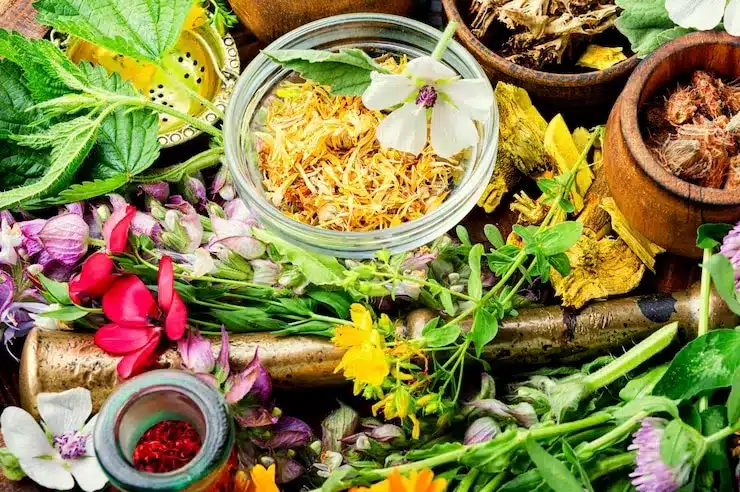
Explore Heritage Recipes
The modern kitchen is witnessing an exciting transformation. Grandmothers’ recipes, once dismissed as old-fashioned, are now trending on social media platforms and finding their way into contemporary cookbooks. This shift represents more than nostalgia—it’s a conscious return to wholesome, nutrient-dense foods that nourish both body and soul.
What makes these recipes particularly appealing is their simplicity. Unlike complicated modern dishes requiring specialty equipment and obscure ingredients, traditional recipes typically call for basic pantry staples and straightforward techniques. They remind us that excellent food doesn’t require complexity, just quality ingredients and patience.
🍯 Fermented Foods Leading the Revival
Fermentation stands at the forefront of this culinary renaissance. This ancient preservation method transforms simple vegetables, dairy, and grains into probiotic-rich superfoods. Sauerkraut, kimchi, kefir, and sourdough bread have moved from ethnic specialty stores to mainstream grocery shelves, reflecting growing consumer interest.
The science supporting fermented foods is compelling. These living foods contain beneficial bacteria that support digestive health, boost immunity, and may even influence mental well-being through the gut-brain connection. Our ancestors didn’t understand microbiology, but they recognized that fermented foods kept them healthy through harsh winters.
Making sauerkraut at home requires only cabbage, salt, and time. Shred the cabbage, massage it with salt until it releases liquid, pack it tightly into a jar, and let nature work its magic. Within days, beneficial lactobacilli bacteria begin transforming the raw cabbage into tangy, crunchy sauerkraut packed with vitamins C and K.
Water kefir offers another accessible entry point into fermentation. This fizzy, slightly sweet beverage requires only water kefir grains, sugar water, and fruit for flavoring. The grains—actually symbiotic colonies of bacteria and yeast—consume the sugar and produce a refreshing probiotic drink that rivals commercial kombucha at a fraction of the cost.
🥣 Bone Broth’s Remarkable Resurgence
Few recipes embody the “waste not, want not” philosophy better than bone broth. This nutrient-dense elixir transforms leftover bones into liquid gold rich in collagen, minerals, and amino acids. Celebrity chefs and wellness influencers alike champion bone broth for its purported benefits for skin, joints, and gut health.
Traditional cultures worldwide have prepared variations of bone broth for millennia. Vietnamese pho, Korean seolleongtang, and Jewish chicken soup all rely on long-simmered bones to create deeply flavorful, nourishing broths. The technique hasn’t changed: bones, water, vegetables, and time.
A basic bone broth recipe couldn’t be simpler. Place roasted bones in a large pot with water, vegetables like onions and carrots, a splash of apple cider vinegar to help extract minerals, and simmer for 12-24 hours. The extended cooking time breaks down collagen into gelatin, creating that signature jiggly texture when cooled.
The beauty of bone broth lies in its versatility. Sip it as a warming beverage, use it as a cooking liquid for grains, or employ it as a base for soups and sauces. Many people now incorporate bone broth into their daily routines, particularly during cold months or when feeling under the weather.
🌾 Ancient Grains Making Modern Waves
Quinoa, spelt, farro, and amaranth—grains our ancestors relied upon—are experiencing renewed popularity. These nutritional powerhouses offer superior protein content, diverse mineral profiles, and interesting textures compared to refined modern grains.
What distinguishes ancient grains is their minimal modification through selective breeding. They remain closer to their original wild forms, potentially making them easier to digest for some people. Many also boast impressive nutritional credentials, with higher levels of protein, fiber, and micronutrients than conventional wheat or rice.
Cooking ancient grains follows similar principles to cooking rice, though each variety has unique characteristics. Quinoa cooks quickly and provides complete protein. Farro offers a delightful chewy texture perfect for salads. Amaranth becomes creamy when cooked, making it ideal for porridges.
Incorporating ancient grains into your diet doesn’t require elaborate recipes. Substitute quinoa for rice in stir-fries, add cooked farro to soups for heartiness, or prepare amaranth porridge topped with fresh fruit and nuts for a nourishing breakfast.
🥒 Pickling: Preserving the Harvest Simply
Quick pickling has captivated home cooks seeking to preserve seasonal abundance without canning equipment or extensive time commitments. Unlike traditional canning, refrigerator pickles require only vinegar, salt, sugar, spices, and vegetables.
The process is remarkably straightforward. Slice vegetables like cucumbers, radishes, or carrots. Heat vinegar with salt, sugar, and aromatics like garlic, dill, or peppercorns. Pour the hot brine over the vegetables, let cool, and refrigerate. Within 24 hours, you’ll have crisp, tangy pickles that keep for weeks.
This technique works beautifully with vegetables that might otherwise go to waste. Slightly soft cucumbers, leftover cabbage, or abundant garden produce all transform into delicious pickles. Experimenting with different vinegars, sweeteners, and spice combinations keeps things interesting.
Beyond cucumbers, try pickling red onions for tacos, cauliflower for antipasto platters, or green beans as a crunchy snack. Pickled vegetables add brightness and acidity to rich dishes, cut through fatty foods, and provide satisfying crunch.
🍞 Sourdough: The Bread Renaissance
Perhaps no recipe exemplifies the return to traditional cooking more than sourdough bread. During recent years, maintaining sourdough starters and baking crusty loaves became a widespread phenomenon, connecting millions to an ancient baking tradition.
Sourdough differs fundamentally from commercial bread. Rather than relying on commercial yeast, sourdough harnesses wild yeast and bacteria present in flour and the environment. These microorganisms ferment the dough slowly, developing complex flavors and improving digestibility.
Starting a sourdough culture requires only flour and water. Mix equal parts, let sit at room temperature, and feed daily with fresh flour and water. Within a week or two, you’ll have a bubbly, active starter ready for baking. This living culture, properly maintained, can last indefinitely—some bakers use starters passed down through generations.
Baking sourdough bread demands patience but not complexity. Mix starter with flour, water, and salt. Let ferment several hours, folding periodically to develop gluten. Shape, proof overnight in the refrigerator, and bake in a hot Dutch oven. The result: crusty exterior, tangy flavor, and chewy crumb that commercial bread cannot match.
🥛 Homemade Dairy: Yogurt and Fresh Cheese
Making dairy products at home once seemed daunting, but simple recipes for yogurt, buttermilk, and fresh cheeses have gained traction. These preparations require minimal equipment and deliver fresher, more flavorful results than store-bought alternatives.
Yogurt making illustrates how simple these processes can be. Heat milk to 180°F to denature proteins, cool to 110°F, stir in a spoonful of existing yogurt as starter, and maintain warmth for 6-12 hours while beneficial bacteria multiply. The longer it ferments, the tangier and thicker it becomes.
Fresh cheeses like ricotta and paneer are equally approachable. For ricotta, heat milk with cream and salt, add acid like lemon juice or vinegar, and watch curds form before your eyes. Strain through cheesecloth, and you’ve got fresh ricotta superior to anything purchased.
Paneer, an Indian fresh cheese, follows similar principles but presses the curds into a firm block suitable for cooking. These homemade cheeses taste fresher, contain no additives, and cost significantly less than artisan versions.
🌿 Herbal Infusions and Traditional Tonics
Herbal remedies prepared in home kitchens are regaining respect as people seek natural wellness alternatives. Simple infusions, decoctions, and tinctures prepared from herbs offer gentle support for various health concerns.
Herbal infusions differ from casual tea drinking. Medicinal infusions use larger quantities of herbs steeped for extended periods—often an ounce of dried herbs per quart of water, steeped for 4-8 hours. This extended extraction pulls out minerals, vitamins, and beneficial compounds that quick steeping misses.
Nettles, red raspberry leaf, oatstraw, and peppermint make excellent infusions. Nettle infusion provides iron, calcium, and chlorophyll. Red raspberry leaf supports reproductive health. Oatstraw nourishes the nervous system. Peppermint aids digestion while tasting delicious.
Fire cider represents another traditional tonic experiencing renewed popularity. This spicy, vinegar-based preparation combines horseradish, ginger, garlic, onions, and cayenne pepper steeped in apple cider vinegar for several weeks. The resulting tonic is taken by the spoonful to support immune function and warm the body during cold seasons.
🍲 One-Pot Meals: Slow-Cooked Comfort
Traditional one-pot meals like stews, braises, and casseroles exemplify efficient cooking that maximizes flavor while minimizing effort. These dishes transform humble ingredients into satisfying meals through patient, gentle cooking.
The technique underlying most traditional stews remains consistent across cultures. Brown meat or vegetables to develop flavor, add aromatics like onions and garlic, introduce liquid, and simmer slowly until everything becomes tender and flavors meld. Time does the heavy lifting.
Bean stews showcase this approach beautifully. Soak dried beans overnight, then simmer with vegetables, herbs, and perhaps a ham bone or smoked meat. The extended cooking softens the beans completely while creating a rich, flavorful broth. These protein-rich meals cost pennies per serving and improve when reheated.
Pot roast, chicken and dumplings, chili, and countless international variations follow similar principles. These dishes accommodate whatever vegetables need using, stretch expensive ingredients with cheaper ones, and often taste better the next day as flavors continue developing.
🥕 Root Cellaring and Storage Crops
While not strictly a recipe, traditional food storage methods are experiencing revival among those seeking self-sufficiency. Root cellaring—storing vegetables in cool, dark, humid conditions—kept families fed through winters before refrigeration.
Certain vegetables store remarkably well under proper conditions. Root vegetables like carrots, beets, turnips, and potatoes last months in cool, humid environments. Winter squash and pumpkins prefer slightly warmer, drier conditions but still store for extended periods. Onions and garlic need cool, dry, dark spaces.
Creating root cellar conditions doesn’t require an actual cellar. Unheated basements, garages, or even buried containers can work. The key is maintaining temperatures between 32-40°F with high humidity for most root crops.
These storage practices connect us to seasonal eating patterns. Rather than expecting summer vegetables year-round, we embrace what stores well and prepare it in various ways. This constraint often sparks creativity in the kitchen.
🍯 Natural Sweeteners and Preserves
Simple fruit preserves, honey preparations, and maple syrup have reclaimed space in pantries as people seek alternatives to processed sugars. These natural sweeteners provide flavor complexity while retaining some nutritional value.
Basic fruit jam requires only fruit, sugar, and lemon juice. The fruit’s natural pectin, activated by sugar and acid, creates the gel structure. Berries work particularly well due to their high pectin content. Cook fruit with sugar until it reaches gel point, then store in sterilized jars.
Raw honey infusions add medicinal and culinary dimensions to this ancient sweetener. Infuse honey with herbs like lavender, thyme, or rose petals by simply combining and letting sit for weeks. The honey extracts flavors and beneficial compounds, creating unique sweeteners for tea, desserts, or cheese plates.
Maple syrup production, while labor-intensive, represents the ultimate seasonal tradition. Tapping maple trees in late winter, collecting sap, and boiling it down to syrup connects us directly to natural cycles and provides unmatched flavor.
🥗 Sprouting: Growing Food on Your Counter
Sprouting transforms dormant seeds into living, enzyme-rich foods packed with vitamins. This simple process requires no soil, minimal space, and just days from start to finish. Sprouts have nourished people for thousands of years, and they’re regaining popularity among health-conscious cooks.
The basic sprouting method works for most seeds, beans, and grains. Soak seeds overnight, drain, and rinse twice daily while keeping them in a jar covered with mesh or cheesecloth. Within days, you’ll have fresh sprouts ready to eat. Different seeds sprout at different rates, but the process remains essentially the same.
Mung beans create classic crunchy sprouts perfect for stir-fries and salads. Alfalfa sprouts offer delicate flavor and texture ideal for sandwiches. Lentil sprouts provide protein-rich additions to soups. Broccoli sprouts contain concentrated sulforaphane, a compound with potential health benefits.
Beyond nutrition, sprouting reduces anti-nutrients present in seeds and makes them easier to digest. The germination process breaks down complex starches and proteins, essentially pre-digesting the food. This ancient preparation method transforms hard, inedible seeds into tender, nutritious vegetables.
🧈 Rendered Fats: Reclaiming Traditional Cooking Oils
Lard, tallow, duck fat, and schmaltz—animal fats once central to cooking—are making a comeback as cooks recognize their superior cooking properties and nutritional profiles. These traditional fats, properly rendered, provide stable cooking fats rich in fat-soluble vitamins.
Rendering fat at home is surprisingly simple. Collect fat trimmings from meat, cut into small pieces, and cook slowly over low heat until fat melts and solids crisp. Strain through cheesecloth, and you have pure, clean cooking fat that keeps for months.
Each fat has distinct characteristics. Pork lard produces incredibly flaky pie crusts and biscuits. Beef tallow excels for high-heat cooking like frying or roasting potatoes. Duck fat creates incomparable roasted vegetables. Chicken schmaltz adds rich flavor to traditional Jewish dishes.
These fats also represent full-animal utilization, honoring traditional practices of using every part. Rather than discarding fat trimmed from meat, we transform it into valuable cooking medium, reducing waste while gaining superior ingredients.
🌰 Nut Milks and Traditional Beverages
Making plant-based milks at home predates commercial alternatives by centuries. Almond milk appears in medieval European cookbooks, while horchata has ancient roots in North Africa and Spain. These simple preparations yield fresher, more flavorful results than shelf-stable products.
Basic nut milk requires only nuts, water, and a blender. Soak nuts overnight to soften, blend with fresh water, and strain through a nut milk bag or cheesecloth. The result is creamy, naturally sweet milk without additives or preservatives. The leftover pulp can be dried into flour, added to baked goods, or composted.
Traditional beverages like switchel (a vinegar-based drink with ginger and maple syrup) and shrubs (fruit-infused drinking vinegars) are also resurfacing. These tangy, refreshing drinks provide alternatives to sugary sodas while offering probiotic benefits from the vinegar.
Herbal teas brewed from garden plants—mint, chamomile, lemon balm—connect us to medicinal beverage traditions. Growing these herbs yourself ensures freshness and purity while providing satisfaction from seed to cup.
Why These Recipes Resonate Now
The return to simple natural recipes reflects deeper cultural shifts. After decades of convenience foods and complex cooking trends, people crave connection to food sources and traditional wisdom. These recipes offer tangible links to heritage, sustainability, and wellness.
Economic factors also play a role. Traditional recipes often cost less than processed alternatives while delivering superior nutrition. Making yogurt, bread, or preserves at home reduces grocery expenses while improving quality. In uncertain economic times, these skills provide both savings and self-sufficiency.
Environmental awareness drives interest too. Traditional recipes typically generate less packaging waste, use whole ingredients with minimal processing, and often incorporate preservation techniques that reduce food waste. They align with growing desires to minimize environmental impact.
The COVID-19 pandemic accelerated these trends dramatically. With restaurants closed and grocery shelves occasionally empty, millions turned to home cooking and food preservation. Sourdough baking, fermentation, and canning saw explosive growth. Many people discovered satisfaction in these practices that persists beyond the pandemic.
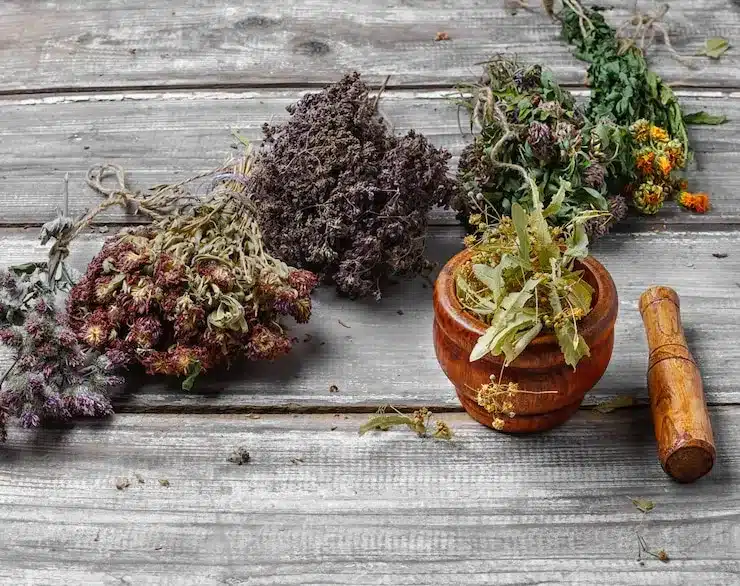
Getting Started with Traditional Cooking
Beginning your journey with simple natural recipes doesn’t require specialized equipment or extensive knowledge. Start with one technique that interests you—perhaps fermented vegetables, bone broth, or sourdough. Master the basics before expanding your repertoire.
Seek out resources from reliable sources. Traditional cookbooks, reputable websites dedicated to fermentation or preservation, and local workshops provide solid foundations. Learning from experienced practitioners, whether family members or online communities, accelerates your learning while building connections.
Accept that some attempts will fail. Ferments occasionally develop off-flavors, bread sometimes refuses to rise, and pickles might turn mushy. These failures teach valuable lessons. Traditional cooks developed expertise through trial and error over lifetimes. Be patient with yourself.
Start simple and progress gradually. Successfully making refrigerator pickles builds confidence for tackling water bath canning. Mastering basic yogurt paves the way for cheese-making experiments. Each success provides skills and knowledge for more complex projects.
The beauty of these traditional recipes lies not just in their results but in the processes themselves. The rhythmic kneading of bread dough, the transformation of cabbage into sauerkraut, the alchemy of milk becoming cheese—these activities ground us in physical reality and connect us across generations. In our increasingly digital world, working with our hands to create nourishing food provides deep satisfaction that transcends the end product.
These simple natural recipes making a comeback represent more than culinary trends. They embody timeless wisdom about nourishment, sustainability, and the satisfaction of creating with our own hands. Whether you’re seeking better health, reduced grocery bills, environmental responsibility, or connection to heritage, these traditional recipes offer pathways to all these goals and more. The journey begins with a single batch of sauerkraut, a pot of simmering bones, or flour mixed with water for your first sourdough starter. 🌱
