
Anúncios
Ever wondered how fast your brain processes information? A simple cognitive test can help you measure your mental agility in just minutes.
Understanding Mental Speed and Cognitive Processing
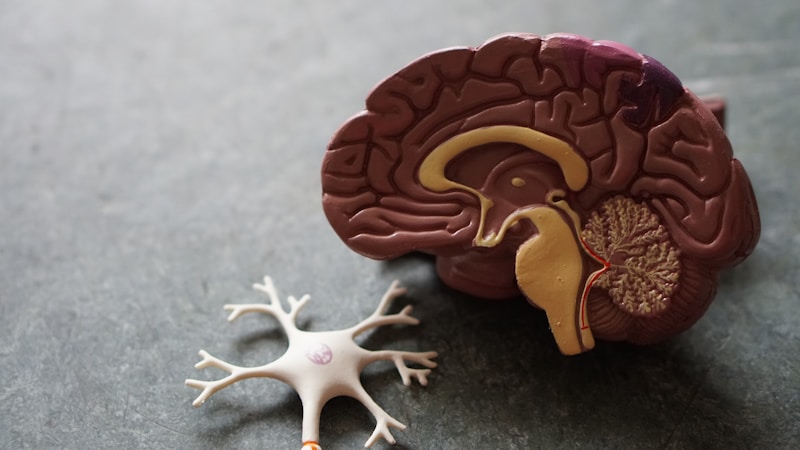
Test Your Cognitive Speed
Your brain’s processing speed affects everything from decision-making to problem-solving. Understanding how quickly your mind works can provide valuable insights into your cognitive health and potential areas for improvement.
Anúncios
The good news is that testing your mental speed doesn’t require expensive equipment or laboratory visits. Simple, accessible tests can reveal fascinating information about how your brain handles information under pressure.
🧠 What Is Mental Processing Speed?
Mental processing speed refers to how quickly your brain can receive, interpret, and respond to information. It’s not about intelligence or knowledge—it’s about the efficiency of your cognitive machinery.
Think of it as the bandwidth of your brain’s internet connection. Some people have lightning-fast connections, while others operate at a steadier, more deliberate pace. Neither is inherently better; they simply represent different cognitive styles.
Processing speed involves several cognitive functions working together. These include attention, working memory, visual scanning, and motor speed. When these elements coordinate efficiently, you can process information rapidly and accurately.
Research shows that processing speed peaks in early adulthood and gradually declines with age. However, this decline varies significantly between individuals and can be influenced by lifestyle factors, mental exercises, and overall brain health.
⚡ The Simple Reaction Time Test
One of the most straightforward tests for mental quickness is the reaction time test. This classic assessment measures how fast you respond to a visual or auditory stimulus.
The basic setup is remarkably simple. You watch a screen and press a button the moment you see a specific signal—usually a color change or shape appearance. The test measures the milliseconds between stimulus and response.
Average human reaction time to visual stimuli ranges from 200 to 300 milliseconds. Professional athletes and gamers often achieve times below 200 milliseconds through practice and natural ability.
What makes this test valuable is its simplicity and objectivity. There’s no ambiguity in the results—either you responded quickly or you didn’t. This clarity makes it an excellent baseline measurement for cognitive speed.
Factors That Influence Reaction Time
Your performance on reaction time tests isn’t fixed. Multiple factors can enhance or impair your speed on any given day.
Sleep quality plays a massive role. Research demonstrates that even mild sleep deprivation can slow reaction times by 50 milliseconds or more—a significant difference in cognitive terms.
Caffeine consumption typically improves reaction time by 10-15%. This explains why many people feel mentally sharper after their morning coffee. However, excessive caffeine can lead to jitteriness that actually impairs performance.
Age naturally affects processing speed, but the decline isn’t as dramatic as many assume. A healthy 60-year-old might only be 30-50 milliseconds slower than their 20-year-old self—barely noticeable in daily life.
🎯 The Stroop Test: Measuring Cognitive Interference
The Stroop test reveals how your brain handles conflicting information. This psychological assessment has been used for decades to evaluate cognitive flexibility and processing speed.
Here’s how it works: you’re shown color words (like “RED,” “BLUE,” “GREEN”) printed in different ink colors. Your task is to name the ink color, not read the word. When the word “RED” appears in blue ink, your brain must suppress the automatic reading response.
This creates cognitive interference—your brain processes both the word and the color simultaneously, requiring extra mental effort to provide the correct answer. The time this takes reveals important information about your mental agility.
Most people find this test surprisingly challenging. The automatic nature of reading is so ingrained that overriding it requires significant cognitive control. Faster completion times indicate superior processing speed and mental flexibility.
What Your Stroop Performance Reveals
Strong performance on the Stroop test correlates with several cognitive abilities. People who excel typically demonstrate better attention control, working memory, and executive function.
Interestingly, bilingual individuals often perform better on the Stroop test. Constantly switching between languages trains the brain’s inhibitory control—the same skill needed to suppress automatic reading responses.
Practice can improve your Stroop test performance, but gains plateau relatively quickly. This suggests the test measures fundamental processing capabilities rather than learned skills.
🔢 Digit Symbol Substitution Test
This assessment combines processing speed with working memory and visual scanning. You’re given a key showing symbols paired with numbers, then must quickly fill in corresponding symbols below a series of numbers.
The test typically lasts 90-120 seconds, creating time pressure that reveals how efficiently your brain processes visual information and executes motor responses. It’s remarkably effective at detecting subtle changes in cognitive function.
Neurologists frequently use this test to assess cognitive decline in aging populations or track recovery after brain injuries. The test’s sensitivity to processing speed changes makes it valuable for monitoring cognitive health over time.
Scoring involves counting correct symbol substitutions within the time limit. Younger adults typically complete 70-100 symbols correctly, while older adults might complete 40-60. However, these numbers vary widely based on individual factors.
💡 Trail Making Test: Connecting the Dots
The Trail Making Test assesses visual search speed, mental flexibility, and executive function through a deceptively simple task—connecting numbered circles in sequence.
Part A requires connecting numbers in ascending order (1-2-3-4, etc.). This measures basic processing speed and visual scanning ability. Most healthy adults complete this section in 25-35 seconds.
Part B adds complexity by alternating between numbers and letters (1-A-2-B-3-C, etc.). This additional cognitive demand significantly increases completion time, typically to 60-90 seconds for most adults.
The difference between Part A and Part B times reveals your cognitive flexibility—how easily your brain switches between different types of information. Smaller differences suggest superior mental agility.
Interpreting Your Trail Making Results
Completion times provide valuable benchmarks. Taking significantly longer than average may indicate processing speed issues, while much faster times suggest above-average cognitive speed.
Errors during the test are equally important as speed. Making numerous mistakes while working quickly might indicate impulsivity rather than true processing efficiency.
🎮 Modern Digital Assessment Tools
Technology has revolutionized cognitive testing, making sophisticated assessments accessible to anyone with a smartphone or computer. These digital tools often provide more precise measurements than traditional paper-based tests.
Online platforms like Cambridge Brain Sciences and Lumosity offer scientifically validated tests that measure processing speed alongside other cognitive abilities. Many provide detailed performance comparisons with age-matched peers.
Mobile apps can track your cognitive performance over time, revealing patterns related to sleep, exercise, stress, and other lifestyle factors. This longitudinal data provides insights impossible to gain from single-time testing.
Some advanced platforms use adaptive testing that adjusts difficulty based on your performance, providing more accurate measurements of your true capabilities. This personalization makes results more meaningful and reliable.
🏋️ Improving Your Mental Processing Speed
While genetics play a role in processing speed, your brain’s performance isn’t fixed. Strategic interventions can enhance cognitive efficiency at any age.
Cardiovascular exercise consistently demonstrates the strongest evidence for improving processing speed. Regular aerobic activity increases blood flow to the brain, promotes neuroplasticity, and enhances cognitive function across multiple domains.
Studies show that just 30 minutes of moderate-intensity exercise three times weekly can produce measurable improvements in processing speed within 12 weeks. The benefits accumulate over time with consistent practice.
Brain Training Exercises That Actually Work
Not all brain training is created equal. While some commercial programs make exaggerated claims, certain activities do enhance processing speed.
Action video games have surprisingly robust evidence supporting their cognitive benefits. Research indicates that regular gaming improves visual processing speed, attention, and decision-making under pressure.
Musical training, particularly learning to play an instrument, enhances processing speed through the complex coordination of visual, auditory, and motor systems. These benefits transfer to non-musical cognitive tasks.
Speed reading practice can improve visual processing and information intake rates. While you won’t suddenly read 1,000 words per minute with full comprehension, moderate improvements are achievable and valuable.
🍎 Nutrition and Mental Speed
Your brain’s processing speed depends partly on the fuel you provide. Certain nutrients play crucial roles in maintaining optimal cognitive function.
Omega-3 fatty acids, particularly DHA, support brain cell membrane health and communication between neurons. Studies link higher omega-3 intake with better processing speed, especially in older adults.
B vitamins, especially B6, B12, and folate, support neurotransmitter production and myelin maintenance. Deficiencies in these vitamins can slow cognitive processing and impair mental clarity.
Hydration significantly affects processing speed. Even mild dehydration (1-2% body water loss) can slow reaction times and impair cognitive performance. Drinking water regularly throughout the day maintains optimal brain function.
😴 The Sleep-Speed Connection
Sleep quality profoundly impacts processing speed. During sleep, your brain consolidates memories, clears metabolic waste, and performs essential maintenance that keeps cognitive systems running efficiently.
Sleep deprivation impairs processing speed more than most people realize. After 24 hours without sleep, cognitive performance declines to levels comparable to legal intoxication—a sobering comparison.
Even chronic partial sleep restriction (getting 6 hours nightly instead of 8) accumulates cognitive deficits over time. Your brain adapts to feeling tired, but objective processing speed measurements reveal the hidden costs.
Quality matters as much as quantity. Deep sleep stages facilitate memory consolidation and neural restoration, while REM sleep supports problem-solving and creative thinking. Both contribute to optimal daytime cognitive performance.
🔬 When to Be Concerned About Processing Speed
While normal variation exists, certain signs warrant professional evaluation. Sudden changes in processing speed may indicate underlying health issues requiring attention.
Noticeable decline in your ability to perform familiar tasks—like following conversations, reading, or driving—deserves medical evaluation. These changes could indicate treatable conditions affecting cognitive function.
Processing speed difficulties accompanied by memory problems, mood changes, or physical symptoms require comprehensive assessment. Multiple cognitive domains affected simultaneously suggest systemic issues rather than normal aging.
Comparing yourself to peers provides useful context. If everyone your age completes tasks significantly faster than you do, professional cognitive assessment can identify potential issues and intervention strategies.
🎯 Taking Action on Your Results
Understanding your processing speed is valuable only if you use that knowledge constructively. Testing reveals your baseline; lifestyle changes determine your trajectory.
Start with the simplest interventions: prioritize sleep, stay physically active, maintain social connections, and challenge your brain regularly. These fundamental practices support cognitive health more effectively than any supplement or app.
Track your progress over time rather than obsessing over single test results. Cognitive performance fluctuates daily based on numerous factors. Trends matter more than individual data points.
Remember that processing speed is just one aspect of cognitive function. Creativity, wisdom, emotional intelligence, and accumulated knowledge often compensate for age-related speed declines. A slower, more deliberate thinker isn’t necessarily less capable—just different.

🌟 Your Cognitive Journey Starts Now
Testing your mental processing speed provides fascinating insights into how your brain works. These simple assessments reveal your cognitive strengths and potential areas for improvement.
The beauty of processing speed is that it responds to lifestyle interventions. Unlike fixed traits, your cognitive speed can improve with appropriate training, nutrition, sleep, and exercise. Small, consistent changes accumulate into meaningful gains.
Whether your results show lightning-fast processing or more deliberate thinking patterns, remember that cognitive diversity enriches our world. Different processing speeds suit different tasks and personalities—there’s no single “correct” speed.
Consider testing yourself periodically to track changes over time. Annual or bi-annual assessments provide valuable feedback on how your lifestyle choices affect your cognitive health. This information empowers you to make informed decisions about your brain’s future.
Your mind’s quickness is fascinating to measure, but it’s what you do with your cognitive abilities that truly matters. Use this knowledge to optimize your brain health and maximize your mental potential throughout life.
