
Anúncios
Ever wondered if someone has quietly removed you from their WhatsApp contact list or blocked you without saying a word? Let’s explore the truth.
Understanding WhatsApp Contact Visibility
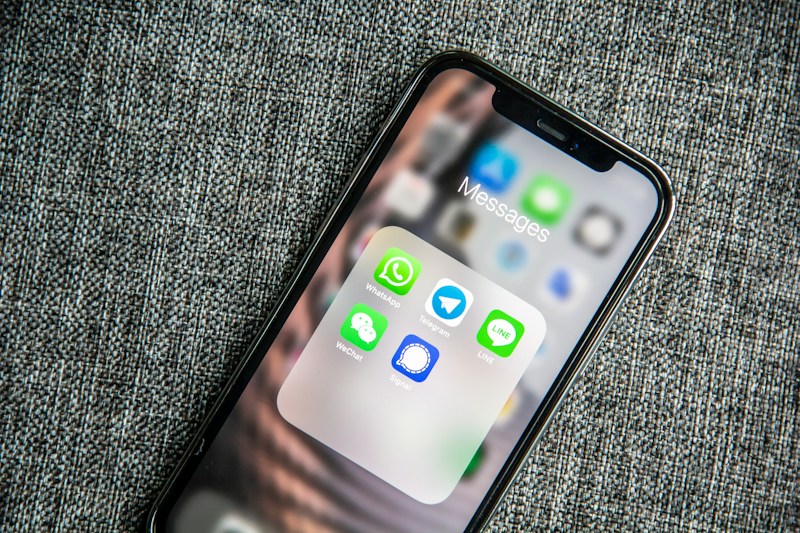
Learn About Privacy
WhatsApp has become an integral part of our daily communication, connecting billions of people worldwide. However, the platform’s privacy features can sometimes leave users wondering about changes in their contact list. When someone disappears from your WhatsApp, it can trigger curiosity and even concern about what might have happened.
The reality is that there are multiple reasons why a contact might seem to vanish from your messaging app. Understanding these scenarios can help you navigate social dynamics better and avoid unnecessary assumptions. Let’s dive deep into the various ways people can “disappear” from WhatsApp and what each situation really means for your digital relationship.
🔍 Why Contacts Disappear: The Main Reasons
When you notice someone has seemingly vanished from your WhatsApp, several technical and personal factors could be at play. The most common reason is that the person has deleted their WhatsApp account entirely. This action removes their profile completely from the platform, making it impossible for you to see their information or send them messages.
Another possibility is that they’ve changed their phone number without informing you. In this case, your messages might still show as delivered to the old number, but you won’t receive any responses. WhatsApp does notify contacts when someone changes their number, but only if both parties have each other saved and the user enables this notification feature.
Sometimes the disappearance is intentional and directed specifically at you. If someone blocks you on WhatsApp, you’ll notice several telltale signs. Their profile picture will disappear, you won’t see their “last seen” timestamp, and your messages will only show one checkmark instead of two, indicating they weren’t delivered.
📱 Identifying If Someone Deleted Their Account
When a user permanently deletes their WhatsApp account, the signs are quite distinctive. First and foremost, their profile picture will completely disappear, replaced by the default gray silhouette. You won’t be able to see any status updates, and their “About” information will vanish as well.
More importantly, all the groups you shared with this person will show “You” instead of their name if you were both members. The chat history on your device will remain intact because WhatsApp stores messages locally, but attempting to send new messages will result in a perpetual single gray checkmark, meaning the message never reached WhatsApp’s servers for that contact.
If you try calling them through WhatsApp, the call won’t go through at all. The app simply won’t establish a connection. This complete absence of connectivity is the strongest indicator that the account no longer exists on WhatsApp’s servers. Unlike blocking, where some ambiguity exists, account deletion is fairly definitive.
🚫 Understanding the Blocking Scenario
Being blocked on WhatsApp creates a frustrating gray area where you can still see the contact in your list, but your ability to interact becomes severely limited. The most noticeable change is that you can no longer see the person’s “last seen” status or online indicator. When they’re actively using WhatsApp, you won’t know about it.
Your messages will perpetually display a single gray checkmark, which means they were sent from your device but never delivered to the recipient. This differs from the double gray checkmarks that indicate delivery, or the blue checkmarks that confirm the message was read. The single checkmark becomes your constant companion in a blocked conversation.
Profile picture updates also cease to appear when you’re blocked. Whatever image was last visible to you remains frozen in time. If they change their profile picture after blocking you, you’ll never see the update. Additionally, any status updates they post become invisible to you, effectively cutting off that casual way of staying updated about someone’s life.
WhatsApp calls face similar restrictions. When you attempt to call someone who has blocked you, the call appears to go through on your end, ringing normally. However, their device never rings, and they receive no notification of your attempted call. Eventually, your call will time out and disconnect without ever truly connecting.
🔄 When Someone Changes Their Number
Phone number changes represent another common reason why contacts seem to disappear. WhatsApp provides a feature that notifies contacts when you change your number, but this notification only works under specific conditions. Both parties must have each other saved in their phone contacts, and the person changing numbers must enable the notification feature during the number change process.
If you don’t receive this notification, you might continue sending messages to their old number without realizing the change has occurred. These messages will show as delivered if someone else eventually activates WhatsApp with that recycled number, creating potential confusion. Your old conversations remain visible, but new messages go into a void.
The person’s profile information might also change dramatically when they switch numbers. If they set up WhatsApp fresh on the new number without restoring a backup, they’ll have a default profile picture and status. This sudden change in their digital presence can make it seem like they’ve disappeared, when in reality they’ve simply moved to a different number.
📊 Privacy Settings That Create Distance
WhatsApp’s privacy settings offer users granular control over who can see their information. Someone might not have blocked you or deleted their account but simply adjusted their privacy settings to exclude you from seeing certain information. This creates a softer form of disappearance where you remain connected but with limited visibility.
The platform allows users to customize who can see their profile photo, about information, and last seen status. The options include “Everyone,” “My Contacts,” “My Contacts Except,” and “Nobody.” If someone selects “My Contacts Except” and adds you to that exception list, you’ll notice their information becoming less accessible without being completely blocked.
Similarly, status privacy settings can prevent you from seeing their updates even if you remain connected. They might be actively posting status updates that all their other contacts can see, but you’re specifically excluded. This targeted privacy adjustment creates an invisible boundary that’s difficult to detect without asking directly.
🔔 Using Third-Party Tools: Proceed With Caution
The internet is flooded with applications and services claiming they can tell you who has blocked you, deleted their account, or changed their privacy settings to exclude you. These third-party tools often promise insights that WhatsApp itself deliberately conceals to protect user privacy. However, using these tools comes with significant risks and ethical considerations.
Most legitimate third-party monitoring apps don’t actually have access to WhatsApp’s internal data. Instead, they monitor publicly visible changes like profile picture updates, status changes, and online/offline patterns. They create databases of this information and alert you when patterns suggest someone might have blocked you or changed their settings.
The major concern with these applications is security. To function, many require you to share your WhatsApp data, phone number, or even grant extensive permissions to your device. This creates vulnerability to data breaches, identity theft, or unauthorized access to your personal conversations. WhatsApp’s end-to-end encryption means the company itself cannot read your messages, but third-party apps bypass this protection.
Additionally, using such tools may violate WhatsApp’s Terms of Service. The company explicitly prohibits automated or bulk messaging, data scraping, and the use of modified versions of their app. Accounts found violating these terms risk temporary or permanent suspension. Is finding out if someone blocked you worth potentially losing your WhatsApp account entirely?
💡 Manual Methods to Investigate Disappearances
Before resorting to questionable third-party apps, you can use several manual observation techniques to understand what happened with a contact. These methods respect privacy while giving you reasonable insights based on publicly available information within WhatsApp itself.
Start by checking mutual group conversations if you share any with the person. If they’ve deleted their account, their name will be replaced with their phone number in the group member list. If they’ve simply blocked you or changed privacy settings, their name will still appear normally in groups, and you’ll see their messages to the group—just not in your private conversation.
Try creating a new group and adding only that person to it. If you can successfully add them, they haven’t blocked you—blocked contacts cannot be added to new groups by the person they blocked. However, if they’ve simply adjusted privacy settings or changed their number, this test becomes less conclusive.
Observe the timing of profile picture and status changes. If these elements remain static for an extended period while mutual friends report seeing updates, it suggests either blocking or targeted privacy exclusions. This method requires patience and isn’t definitive, but patterns emerge over time that paint a clearer picture.
🤝 The Social Dynamics Behind Digital Disappearances
Understanding the technical aspects of how people disappear from WhatsApp is only half the equation. The social and psychological reasons behind these actions reveal much about modern communication dynamics and relationship management in the digital age.
Many people use blocking or privacy restrictions as conflict avoidance strategies. Rather than having difficult conversations about boundaries or ending relationships explicitly, they opt for digital distance. This “ghosting” behavior has become increasingly normalized, leaving the other party confused and seeking technical explanations for what is fundamentally a social decision.
Privacy concerns also drive many users to restrict their visibility broadly. In an era of increasing awareness about digital footprints and data privacy, some individuals simply minimize their exposure across the board. If you find yourself excluded from someone’s WhatsApp visibility, it might not be personal—they may have implemented strict privacy settings for everyone outside a small trusted circle.
Professional boundaries represent another common reason for WhatsApp restrictions. People who mix personal and professional contacts sometimes realize they’re oversharing with colleagues or clients. The solution is often to adjust privacy settings or even maintain separate devices for work and personal communication, which can make professional contacts feel like they’ve been blocked.
✅ Respecting Digital Boundaries and Privacy
Perhaps the most important perspective on this entire topic is recognizing and respecting digital boundaries. WhatsApp provides extensive privacy controls precisely because users deserve autonomy over their digital presence and who has access to their information. If someone has taken steps to create distance from you on the platform, there’s usually a reason.
Rather than obsessively investigating or using monitoring tools to circumvent their wishes, consider this an opportunity for reflection. Has communication become one-sided? Were there unresolved conflicts? Sometimes digital distance is a gentle way of communicating that the relationship needs recalibration or space.
If the person is genuinely important to you, consider reaching out through alternative channels—a phone call, text message, email, or even face-to-face conversation. Express your concerns honestly without being accusatory. People often appreciate direct communication more than detective work through their digital footprints.
🌐 Alternative Communication Channels
When someone becomes unavailable on WhatsApp, remember that the platform is just one of many communication tools available today. Their disappearance from one app doesn’t necessarily mean they want to end all communication—they might simply be managing their digital life differently or facing technical issues.
Consider SMS or traditional text messaging as a fallback. While less feature-rich than WhatsApp, standard text messages don’t require both parties to use the same platform, making them more universally accessible. A simple text asking if everything is okay can clarify whether technical issues or intentional distance is behind their WhatsApp absence.
Social media platforms like Facebook Messenger, Instagram, Telegram, or Signal offer alternative messaging options. If you’re connected on these platforms, reaching out there might provide clarity. However, if someone has deliberately created distance on WhatsApp, repeatedly contacting them through every available channel crosses into harassment territory—practice restraint and respect.
🔐 Protecting Your Own Privacy on WhatsApp
Understanding how people can disappear from your WhatsApp view also empowers you to manage your own privacy settings effectively. If you’re concerned about who can see your information or want to create appropriate boundaries, WhatsApp’s privacy controls offer extensive customization.
Navigate to Settings > Privacy to access these controls. Here you can specify who sees your last seen timestamp, profile photo, about information, and status updates. The “My Contacts Except” option is particularly useful for creating specific exclusions without broadly limiting your visibility to everyone.
You can also control who can add you to groups—a frequently overlooked privacy setting that prevents unwanted group additions. Options include “Everyone,” “My Contacts,” and “My Contacts Except,” giving you precise control over your group participation. This prevents situations where acquaintances or distant relatives add you to groups you’d rather avoid.
Read receipts can be disabled if you prefer to read messages without senders knowing. However, this is reciprocal—disabling your read receipts means you also won’t see when others read your messages. Consider whether the privacy gain is worth the loss of this communication feedback.

🎯 Moving Forward With Clarity
The desire to know who disappeared from WhatsApp and why is natural—humans are social beings who seek closure and understanding in their relationships. However, this knowledge comes with responsibilities and ethical considerations that extend beyond mere technical capability.
Focus your energy on maintaining healthy, transparent relationships where communication happens openly rather than requiring digital surveillance. If someone has distanced themselves from you on WhatsApp, respect that decision while leaving the door open for reconnection if circumstances change. Sometimes space is what relationships need to evolve or gracefully end.
Remember that your mental wellbeing shouldn’t depend on tracking others’ digital behavior. Constantly monitoring who blocked you, changed their privacy settings, or deleted their account creates unnecessary stress and anxiety. Instead, invest that energy into nurturing relationships with people who communicate openly and reciprocate your interest in maintaining connection.
Technology should enhance relationships, not complicate them with suspicion and surveillance. Use WhatsApp’s features to build bridges, not to obsessively monitor walls others have built. The healthiest digital relationships happen when both parties feel respected, trusted, and free to manage their online presence according to their comfort levels.
Ultimately, if someone truly matters to you and has seemingly disappeared from WhatsApp, the solution isn’t a detective app or monitoring tool—it’s authentic communication. Pick up the phone, send an email, or have a real conversation. The answers you seek about digital distance often lie in honest human connection beyond the screen. 🌟
