
Anúncios
Managing your blood sugar has never been easier—or cooler.
Thanks to cutting-edge tech, your smartphone can now be your personal health assistant, tracking glucose levels with just a few taps.
Anúncios
We’re living in an age where technology isn’t just about entertainment or productivity anymore. It’s literally saving lives and making health management something you can do while binge-watching your favorite series.
And when it comes to diabetes management, the innovation happening right now is nothing short of mind-blowing.
Anúncios
🚀 The Digital Revolution in Glucose Monitoring
Gone are the days when managing diabetes meant carrying around bulky equipment and doing finger pricks multiple times a day. The landscape of glucose monitoring has transformed dramatically, and honestly? It’s about time.
Modern glucose monitoring technology combines hardware innovation with smart software solutions. We’re talking about continuous glucose monitors (CGMs) that sync with your phone, apps that use AI to predict blood sugar trends, and platforms that make sharing data with your doctor as easy as sending a text message.
What makes this revolution so game-changing is accessibility. These technologies are becoming more affordable, more user-friendly, and more integrated into our daily lives. You don’t need to be a tech genius to benefit from them—if you can use social media, you can manage your glucose levels like a pro.
📱 How Smartphone Apps Are Changing the Game
Your smartphone is already your camera, your music player, your GPS, and your social hub. Now it’s becoming your personal diabetes management center too. The apps available today do way more than just log numbers—they’re intelligent companions in your health journey.
These applications can track your glucose readings, log your meals, monitor your physical activity, and even remind you to take your medication. But here’s where it gets really cool: many of them use machine learning to identify patterns in your data and provide personalized insights.
Some apps can predict when your blood sugar might spike or drop based on what you’ve eaten, your activity level, and historical data. It’s like having a diabetes educator in your pocket 24/7, minus the appointments and waiting rooms.
Top Features to Look For
When you’re exploring glucose monitoring apps, there are some features that really separate the good from the great:
- Integration with CGM devices: Seamless connectivity with popular continuous glucose monitors
- Data visualization: Clear graphs and charts that make trends easy to spot
- Meal logging: Photo recognition or barcode scanning for easy food tracking
- Insulin calculators: Smart tools that help determine dosing based on carbs and current levels
- Report generation: Easy-to-share summaries for healthcare providers
- Community features: Connect with others managing diabetes for support and tips
🎯 Continuous Glucose Monitors: The Hardware Heroes
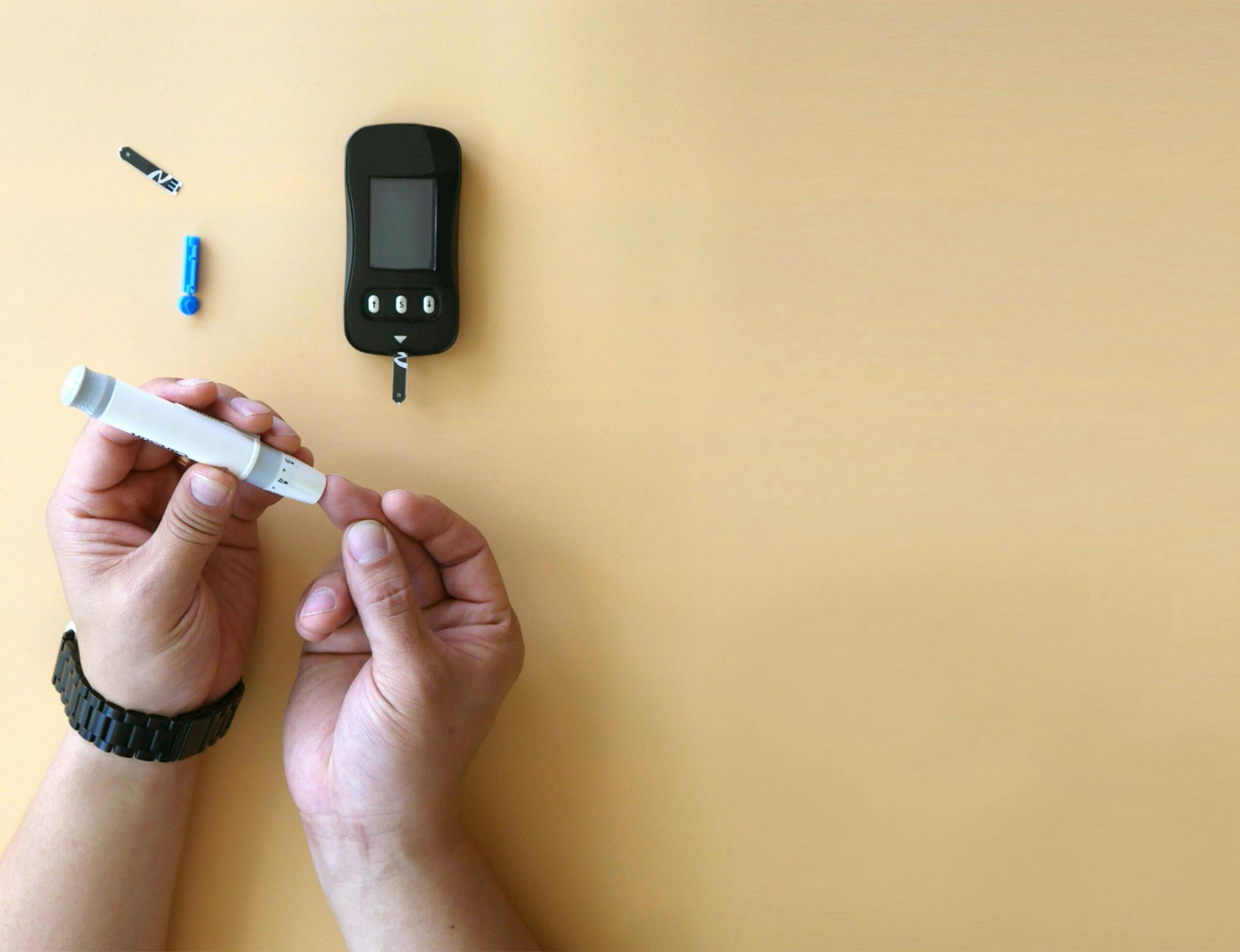
Let’s talk about the physical tech that’s making all this possible. Continuous glucose monitors are small sensors that you wear on your body—usually on your arm or abdomen—that measure glucose levels in your interstitial fluid throughout the day and night.
These tiny devices are absolute marvels of engineering. They’re water-resistant, discreet, and can last anywhere from 10 to 14 days before needing replacement. The sensor sends real-time data to your smartphone or a dedicated receiver, giving you constant insight into your glucose levels.
What’s really impressive is how far we’ve come in terms of accuracy and reliability. Earlier generations of CGMs had issues with lag time and calibration, but modern devices are incredibly precise. Some don’t even require finger-stick calibrations anymore—they’re factory-calibrated and ready to go.
The Big Players in the CGM Market
Several companies are leading the charge in CGM technology, each with their own strengths. Dexcom has built a reputation for accuracy and smartphone integration. Abbott’s FreeStyle Libre system pioneered the flash glucose monitoring concept, making CGMs more accessible price-wise. Medtronic offers integrated systems that combine CGMs with insulin pumps for automated diabetes management.
The competition between these companies is actually great news for consumers. It’s driving innovation, pushing prices down, and creating better user experiences across the board.
💡 Smart Features That Make Life Easier
Beyond just showing you numbers, modern glucose monitoring technology comes packed with features designed to make diabetes management less of a burden and more of a streamlined part of your daily routine.
Customizable alerts are a lifesaver—literally. You can set your device to warn you when your glucose is trending too high or too low, giving you time to take action before things get serious. Some systems can even alert family members or caregivers if you’re not responding to critical alerts.
Trend arrows show you not just where your glucose is now, but where it’s heading. An arrow pointing up quickly tells you something very different than a stable horizontal arrow, even if the current number is the same. This predictive element helps you make better real-time decisions.
Integration with Other Health Tech
The ecosystem approach is where things get really exciting. Your glucose monitoring app can sync with fitness trackers to see how exercise affects your levels. It can connect with nutrition apps to understand how different foods impact you. Some even integrate with smart scales, sleep trackers, and medication reminders.
This holistic view of your health creates a complete picture that helps you and your healthcare team make better decisions. You’re not just managing diabetes—you’re optimizing your overall wellness.

🌟 The Social Side of Glucose Management
Here’s something that doesn’t get talked about enough: managing diabetes can feel isolating. But technology is changing that too, creating communities and support networks that span the globe.
Many glucose monitoring apps include social features where you can connect with others living with diabetes. You can share tips, celebrate victories (like hitting your target range for a whole week), and get advice when you’re struggling. There’s something powerful about knowing you’re not alone in this journey.
Some platforms even gamify the experience, turning glucose management into challenges and achievements. It might sound silly, but earning badges for consistently logging your meals or maintaining stable glucose levels can provide real motivation, especially for younger users.
🔐 Privacy and Security: Keeping Your Data Safe
With all this health data flowing through apps and the cloud, security is obviously a major concern. The good news is that reputable glucose monitoring platforms take data protection seriously, using encryption and complying with healthcare privacy regulations like HIPAA.
That said, it’s important to be mindful about what you’re sharing and with whom. Read privacy policies, understand what data is being collected, and know your rights. Most apps give you control over whether your data is used for research or shared with third parties.
Use strong passwords, enable two-factor authentication when available, and keep your apps updated. These basic security practices go a long way in protecting your sensitive health information.
💰 The Cost Factor: Is It Worth It?
Let’s address the elephant in the room: this technology isn’t always cheap. CGM sensors, in particular, can be pricey, especially if you’re paying out of pocket. However, the landscape is improving.
Many insurance plans now cover CGMs, at least partially, recognizing their value in preventing complications and reducing long-term healthcare costs. The key is documentation—having your doctor explain why a CGM is medically necessary for your specific situation can make a huge difference in coverage.
Even if you can’t access CGM technology right now, many glucose tracking apps are free or very affordable. They can still provide tremendous value by helping you log readings from traditional meters, track patterns, and share data with your healthcare team.
Cost-Benefit Analysis
When evaluating whether glucose monitoring technology is worth the investment, consider the bigger picture. Better glucose control means fewer complications down the road, which translates to lower medical costs, fewer sick days, and improved quality of life. For many people, that math works out pretty clearly in favor of the technology.
🎓 Learning and Adapting: The Education Component
One of the most underrated aspects of modern glucose monitoring technology is its educational value. Every data point is a learning opportunity, helping you understand how your body responds to different foods, activities, stress levels, and sleep patterns.
This personalized data is way more valuable than generic dietary guidelines. You might discover that rice spikes your glucose but potatoes don’t—or vice versa. You might find that morning workouts stabilize your levels better than evening ones. This individualized insight empowers you to make choices that work for your unique physiology.
Many apps include educational content, tips from diabetes educators, and explanations of what your data means. They transform raw numbers into actionable knowledge, making you a more informed and confident manager of your own health.
🔮 The Future: What’s Coming Next?
If you think current glucose monitoring technology is impressive, just wait. The innovations on the horizon are going to blow your mind.
Non-invasive glucose monitoring is the holy grail researchers are chasing. Imagine checking your glucose levels without any needles, sensors, or finger pricks—maybe through a smartwatch or even a contact lens. Several companies are working on this, and while we’re not quite there yet, progress is being made.
Artificial pancreas systems are another frontier. These closed-loop systems combine CGMs with insulin pumps and smart algorithms to automatically adjust insulin delivery based on glucose levels. It’s like putting diabetes management on autopilot.
AI and Predictive Analytics
Artificial intelligence is going to play an increasingly important role. Future apps will be able to predict glucose fluctuations hours in advance with remarkable accuracy, giving you even more time to take preventive action. They’ll learn your patterns so well that they can warn you before you even realize something’s off.
We’re also likely to see better integration with telehealth services. Imagine having a virtual consultation with your endocrinologist where they can see your real-time glucose data, make adjustments to your treatment plan, and send prescriptions—all without you leaving your couch.
🤝 Working with Your Healthcare Team
Technology is amazing, but it’s not a replacement for professional medical guidance. The best outcomes happen when you use these tools in partnership with your healthcare team.
Most doctors love when patients bring in comprehensive glucose data. It gives them so much more information to work with than the old approach of testing a few times a day. The reports generated by modern apps can reveal patterns that might not be obvious otherwise, leading to better treatment decisions.
Be proactive about sharing your data. Many apps can generate reports specifically formatted for healthcare providers, or you can even give your doctor access to view your data remotely. This ongoing visibility into your glucose management helps your care team support you more effectively.
🌈 Making Technology Work for You
With all these options available, how do you choose what’s right for you? Start by assessing your specific needs and lifestyle. Are you tech-savvy or do you prefer simpler interfaces? How often are you willing to replace sensors? What’s your budget? What features matter most to you?
Don’t be afraid to try different options. Many companies offer trial programs or money-back guarantees. What works perfectly for someone else might not be the best fit for you, and that’s okay. The goal is finding the tools that seamlessly integrate into your life and actually get used consistently.
Remember that technology is meant to serve you, not the other way around. If an app or device is causing more stress than it’s relieving, that’s feedback worth listening to. The best glucose monitoring system is the one you’ll actually use regularly.
The convergence of healthcare and technology is creating unprecedented opportunities for people managing diabetes. From real-time glucose monitoring to AI-powered predictions, from community support to seamless data sharing with doctors—these tools are genuinely transformative. They’re not just making glucose management easier; they’re fundamentally changing what’s possible in terms of health outcomes and quality of life. And honestly? This is just the beginning. The innovations we’ll see in the next five to ten years will make today’s technology look primitive by comparison. So embrace these tools, stay curious about new developments, and take advantage of the fact that you can literally hold your health in the palm of your hand. It’s a pretty awesome time to be alive.
